COLE·HELMER
Open to roles · 2026

Cole Helmer.

M.S. Robotics Engineering · Widener University

Cole Helmer · Robotics Engineer

Cole Helmer
Education
M.S. Robotics Engineering, 2026
B.S. Robotics Engineering, 2025
Widener University · MS GPA 3.78
Athletics
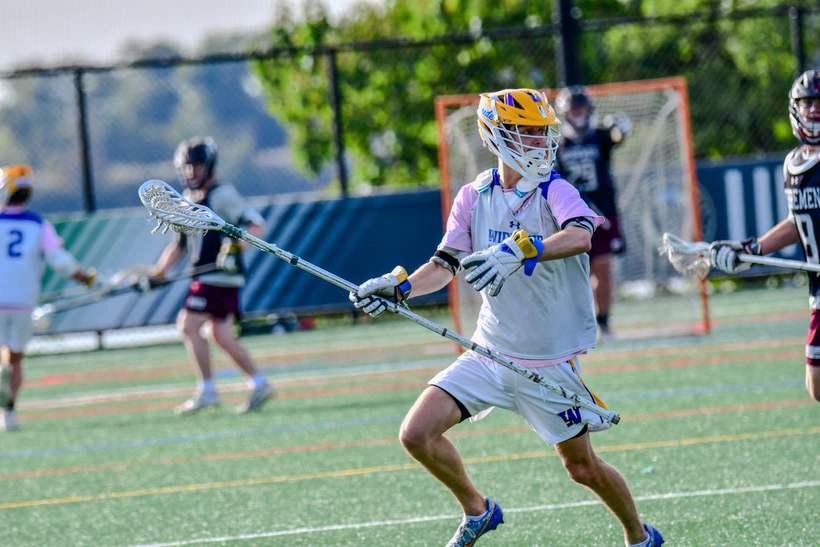
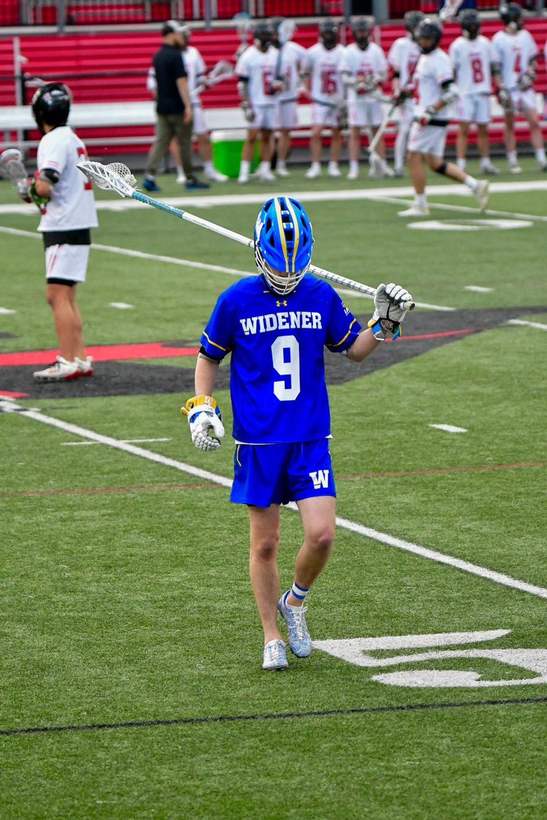
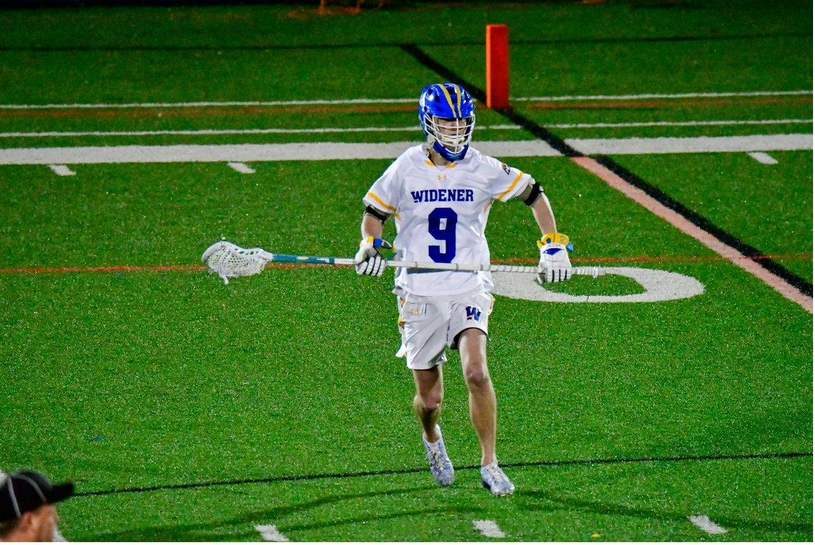
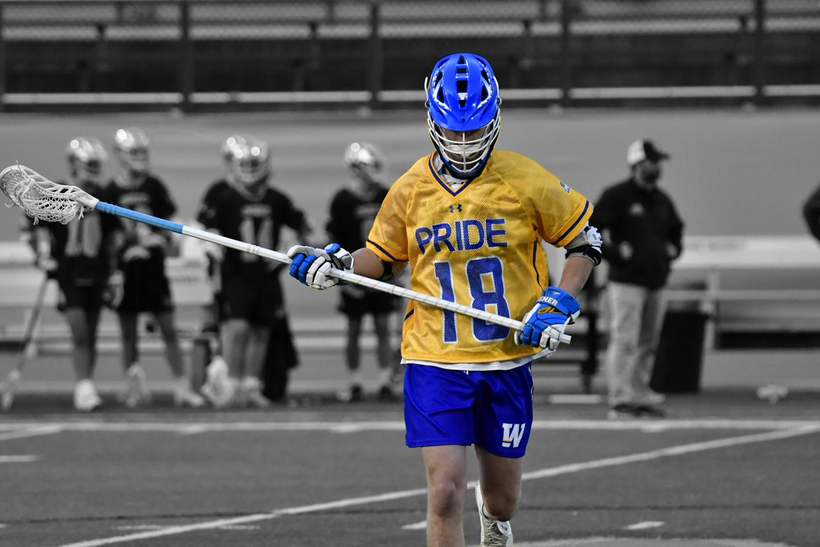
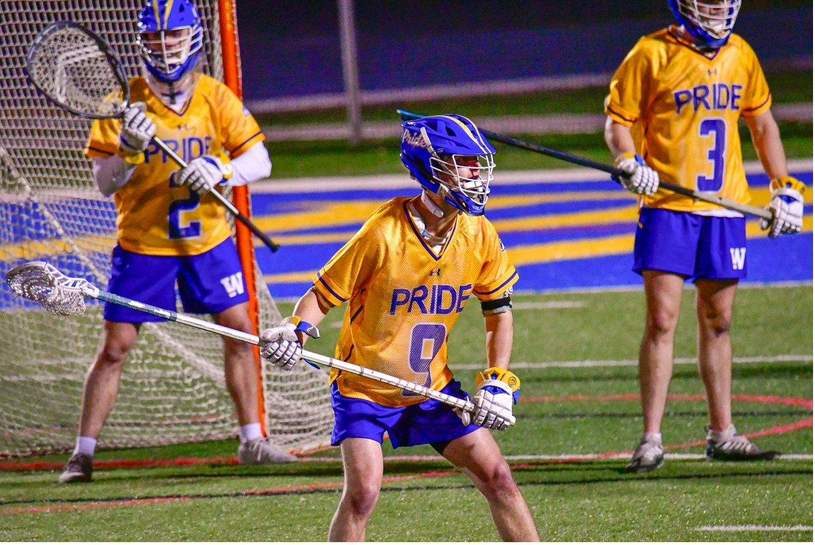
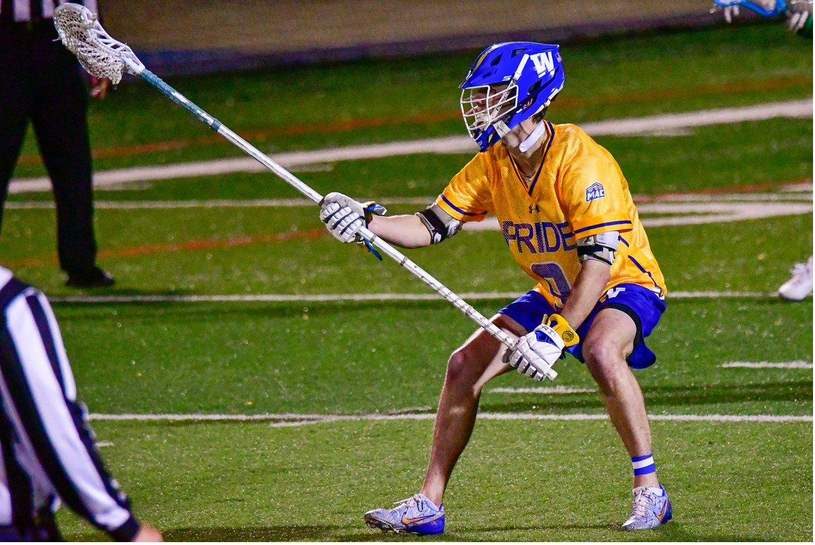
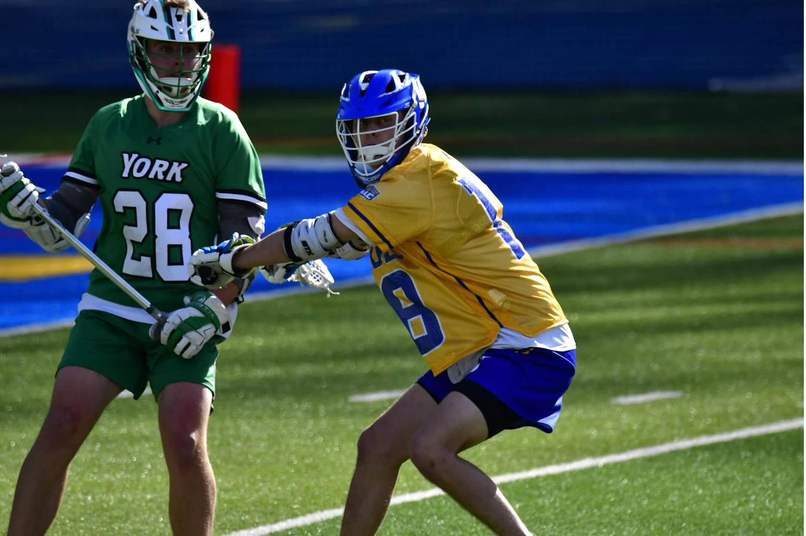
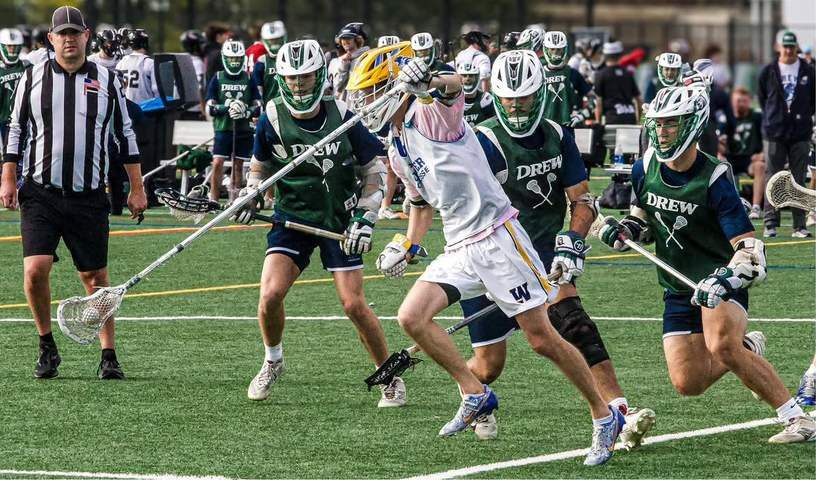
DIII Lacrosse
Widener University
Targeting
Embedded · Controls · Robotics
iOS / Full Stack · Quant & Trading
Based
Chester, PA
Tri-state area + Remote
Toolset
C/C++ · Python · Swift · MATLAB · Simulink
ROS2 · Arduino · PLCs · CAD · Firebase · Xcode · Git
Coursework
AI · Pattern Recognition · Robotic Vision
Mobile Robotics · Controls · Signal Analysis · Mechatronics

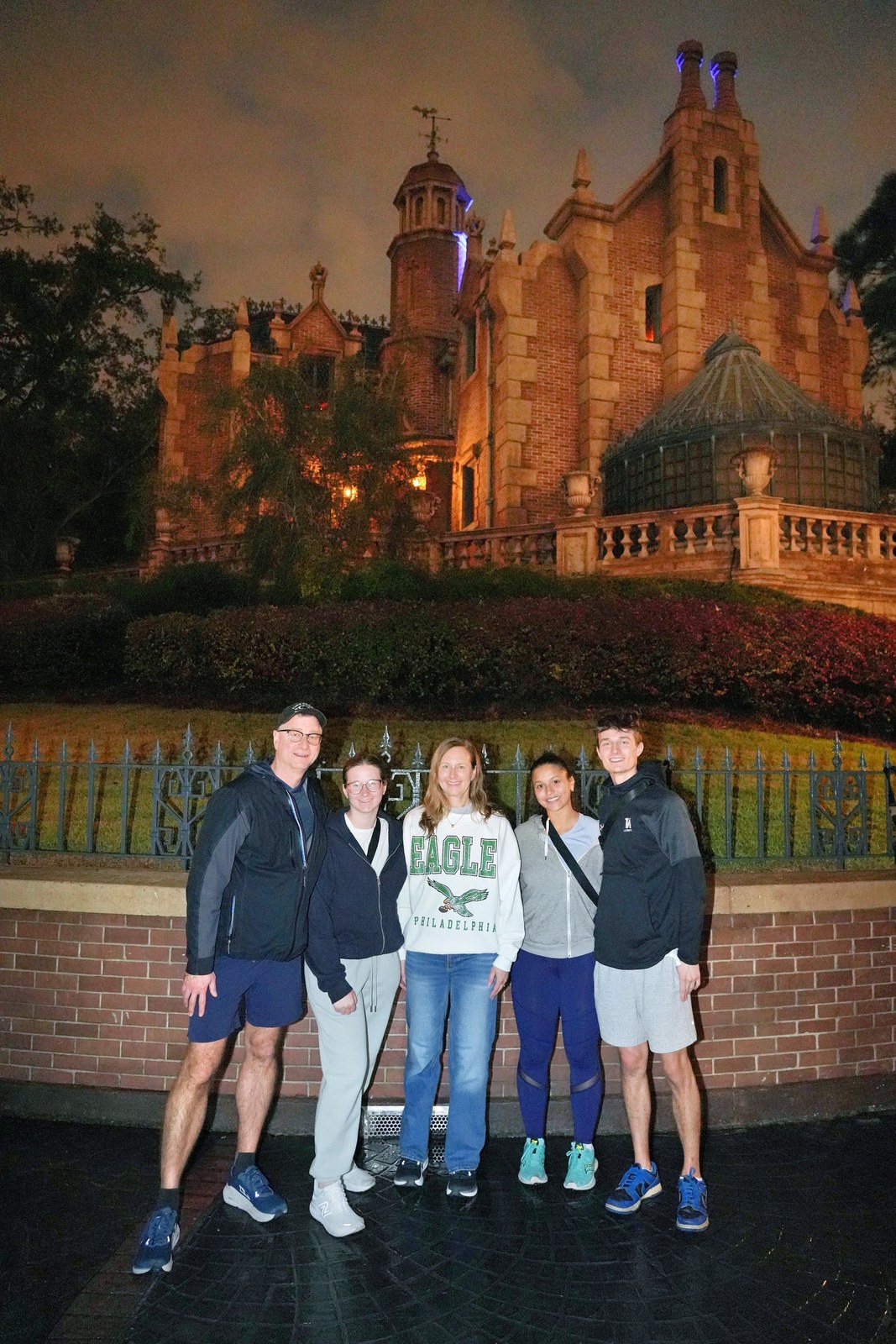
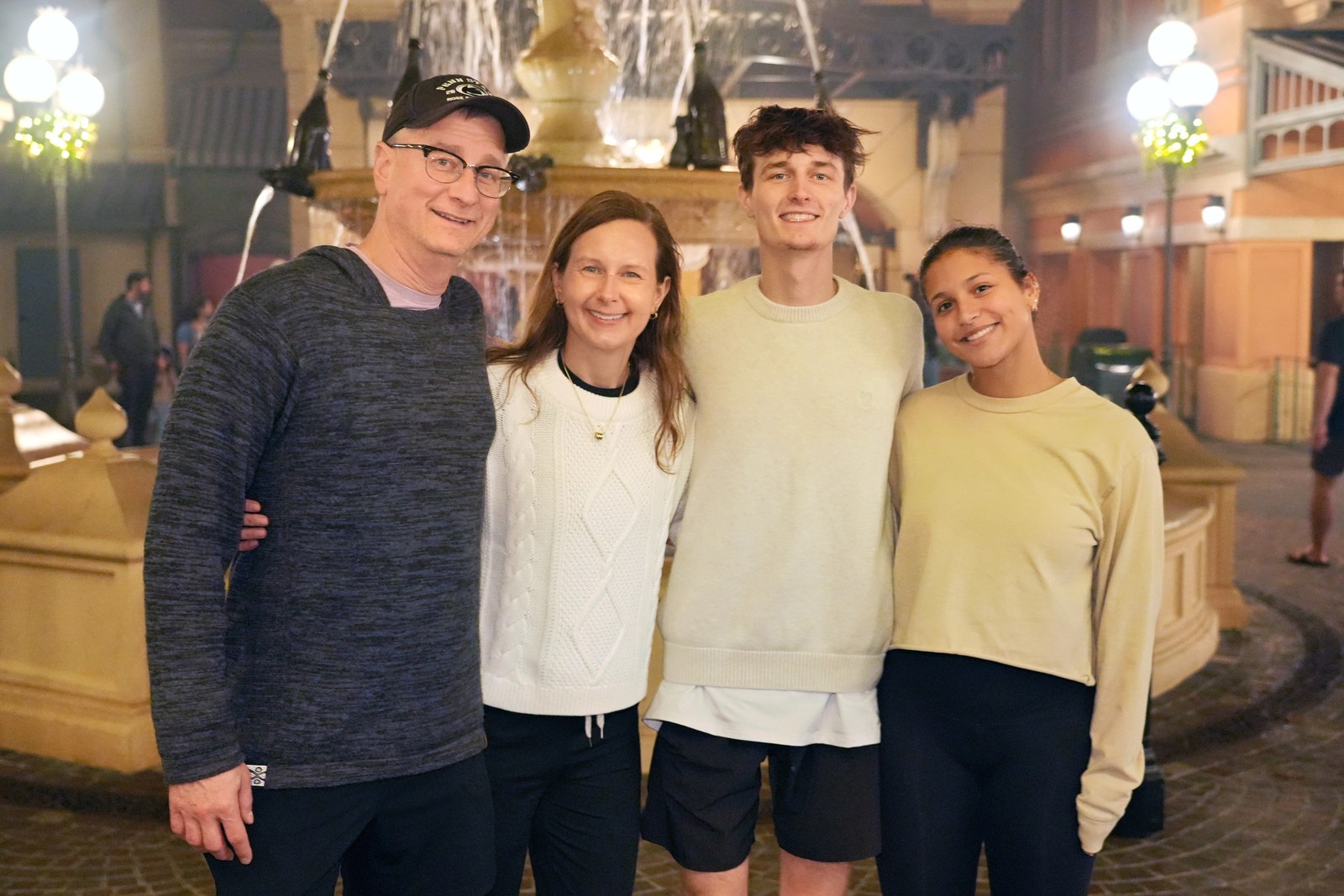
I have never been good at sitting still. I grew up outside, on the water, in the yard, anywhere there was room to move, and even a trip to Disney turned into something other than a vacation. While everyone around me enjoyed the ride, I was quietly pulling it apart in my head, trying to understand what moved it, how it was timed, and why it felt the way it did.

The fun for me was always in that chase. The questions why and how does that work have looped in my head for as long as I can remember, and an easy answer never satisfied me. I needed to find it on my own, and over time that need pointed itself at larger and larger systems.

Never stop asking why!!

The curiosity came naturally. My mom has spent more than thirty years at Merck as a recipe scientist, my dad just as long in automation engineering, and my sister is a practicing OBGYN. I grew up among people who build, measure, and improve things for a living, and a childhood spent on Star Wars did the rest. I wanted to help push the edge of what people can design and build.

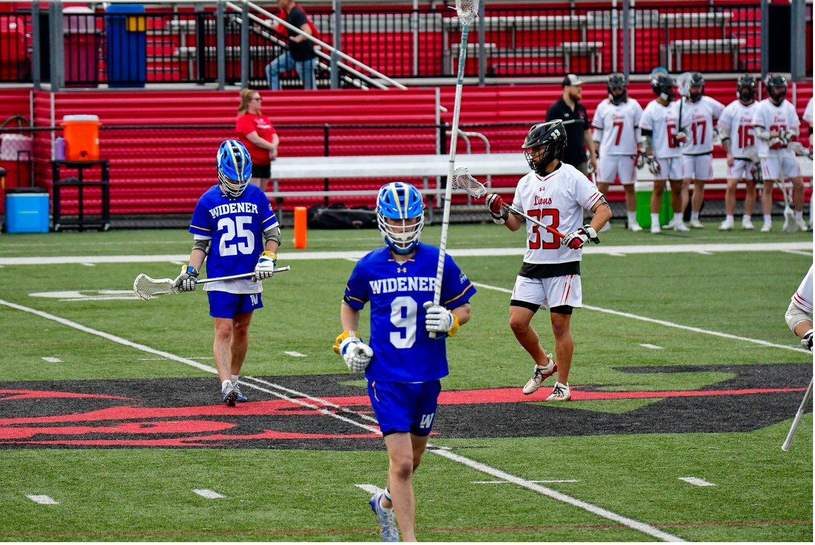
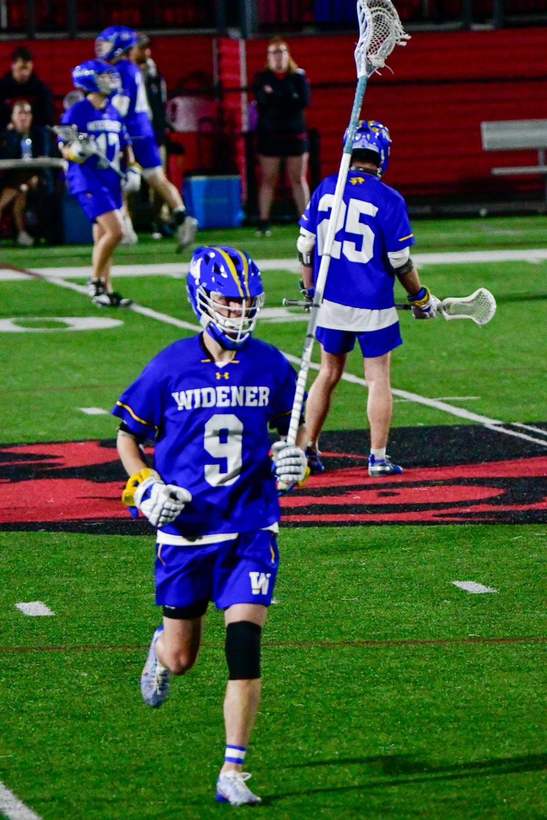
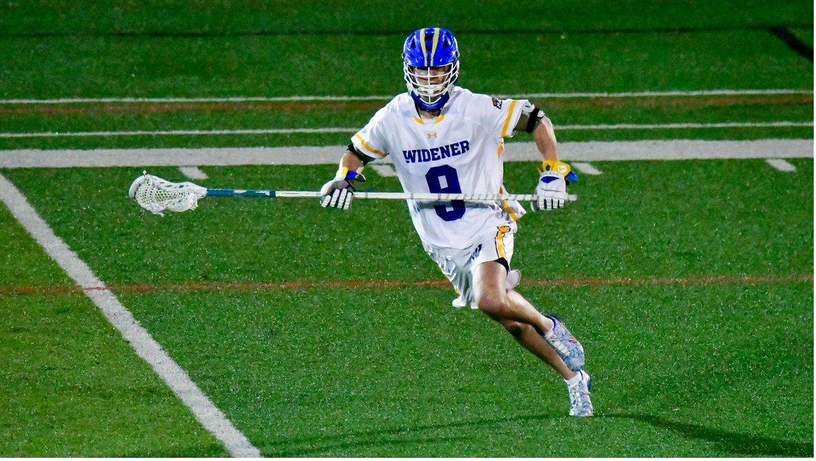
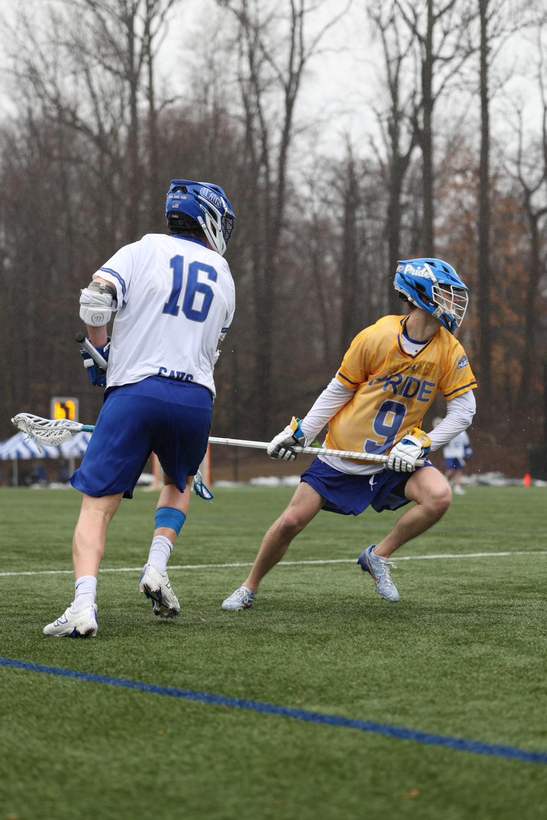
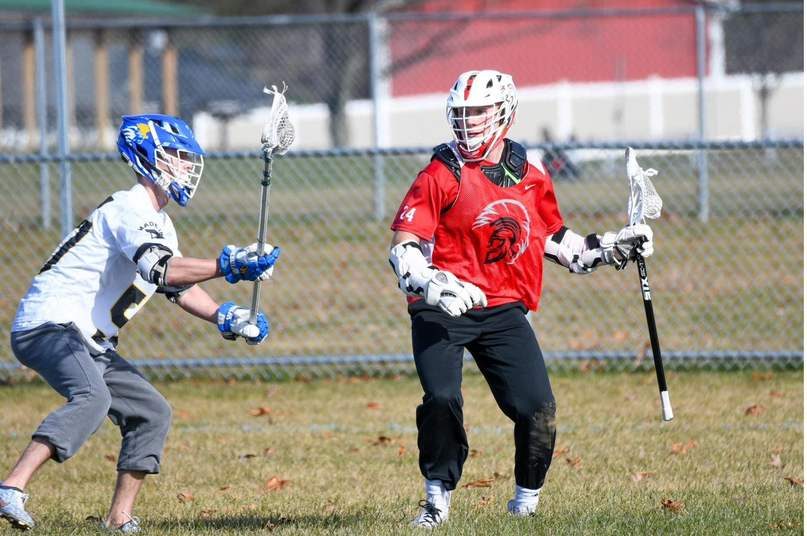
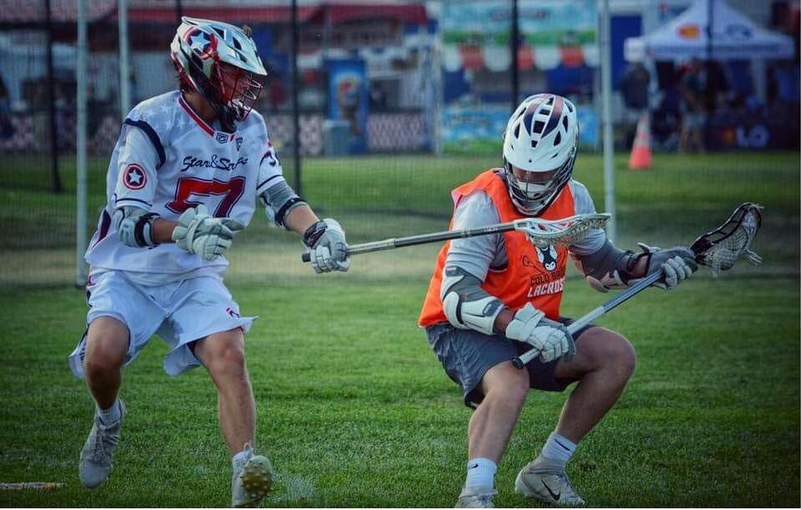
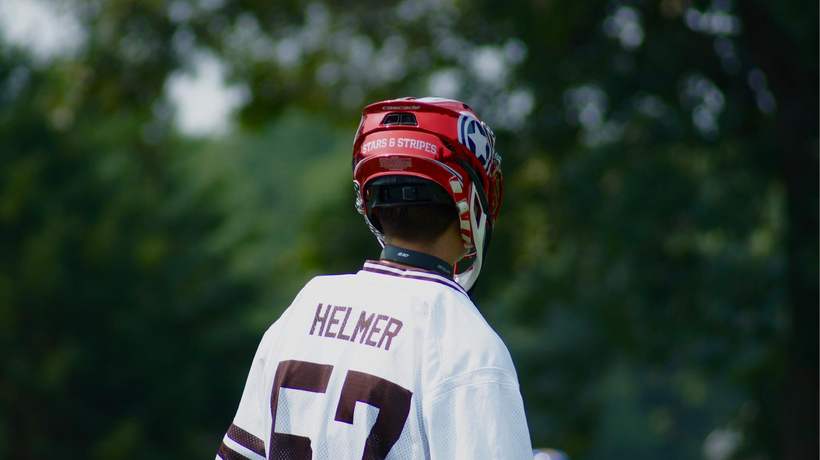
Lacrosse is where I learned how to chase that down. From second grade through four years of Division III ball at Widener University, the game shaped me more than any classroom ever did.

Attention to detail.
Lead with passion.
Give everything you have, no matter the scoreboard.

Those habits walked straight into my engineering. Senior year, Dr. Daniel Roozbahani trusted me to lead a ten foot autonomous hexacopter and held the standard punishingly high on purpose. That pressure is the reason I was ready for what came next.

What came next was my master's thesis: a hybrid gasoline and LiPo power system, governed by an intelligent battery management unit, built to stretch the endurance of mobile platforms like robots, marine craft, and drones. I designed and built it on my own, from the switching hardware and firmware up to the scheduling logic that runs it.

Its centerpiece is an algorithm I call Rolling Replenishment that schedules battery swaps proactively instead of reactively. On the bench it recovered 118.6% more usable energy than the best reactive strategy while triggering 58% fewer switching events. I validated a 9 battery prototype on the bench, simulated the full 48 battery configuration in Python, and rebuilt the pack topology from series first to parallel first so the system could run on off the shelf solid state relays with full ground isolation.

In the same window I cofounded CLARO and led every part of its technical build, carrying it from a whiteboard sketch to a shipped iOS app. At its core is a real time engine that flags arbitrage opportunities in under ten seconds across 10 sportsbooks and 22 leagues, wired up with user accounts, push notifications, in app purchases, and deep link bet slips that fill themselves in. It went out to more than 50 beta testers.

If there is one thing I count on in myself, it is not a single skill. It is that I figure it out. Every project here handed me a problem I could not yet solve, hardware that refused to behave, an algorithm that would not converge, a feature with no clear path. I learned to move toward those walls, take them apart, and keep working until they gave way. An obstacle has never been the reason something of mine went unbuilt.

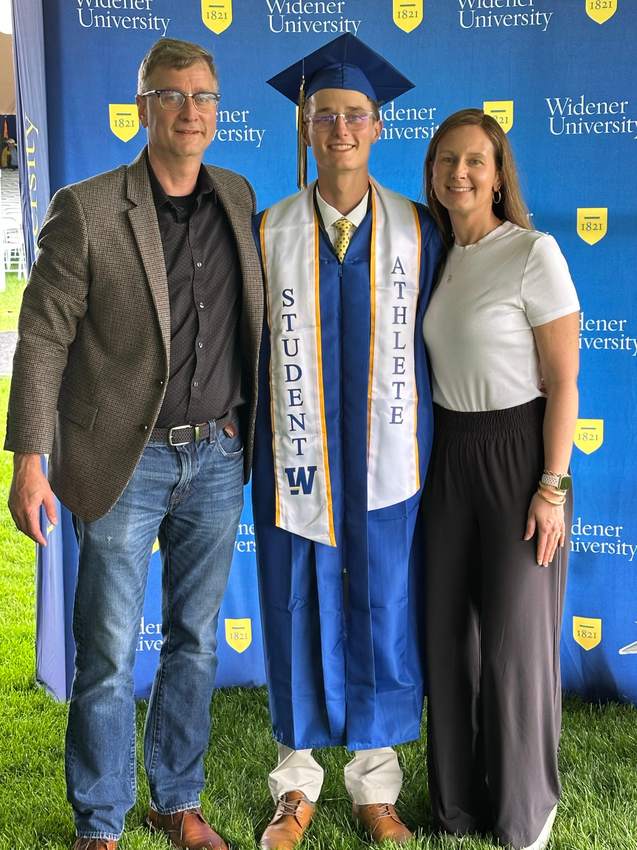
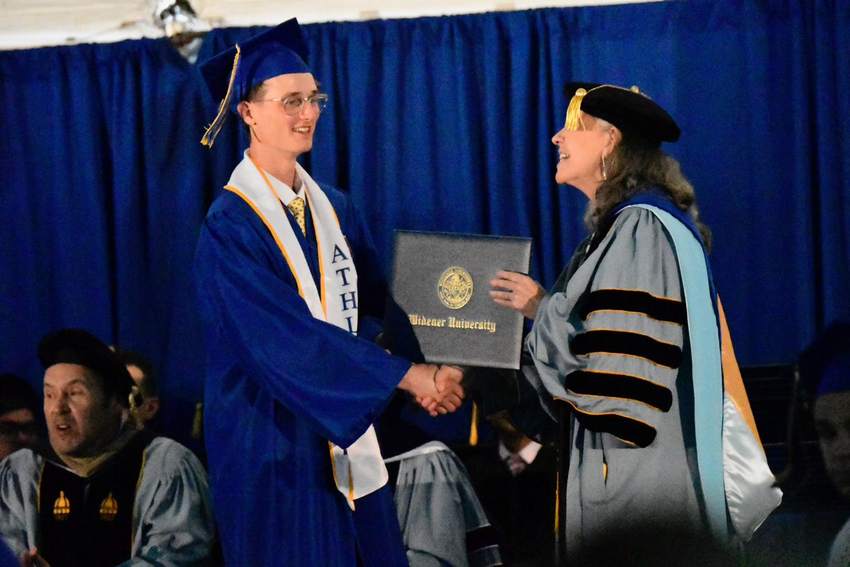
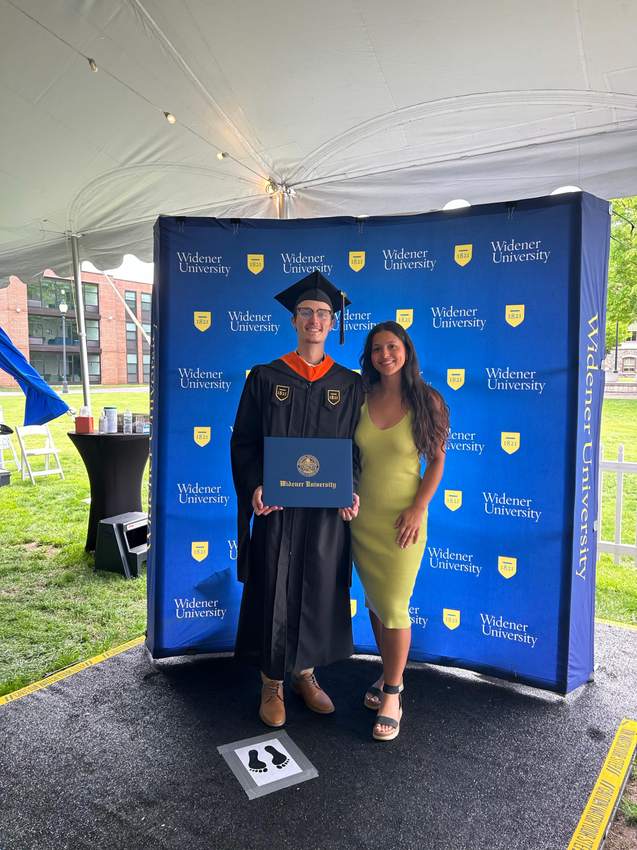
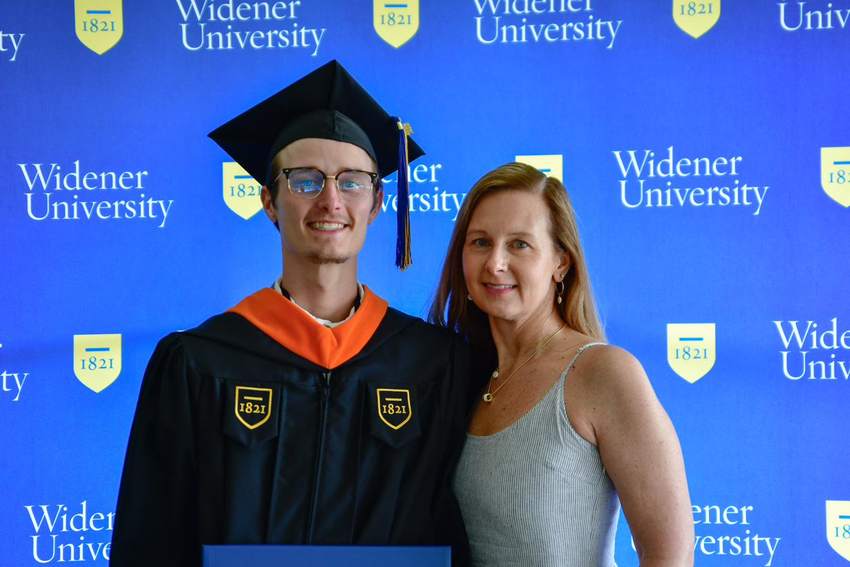
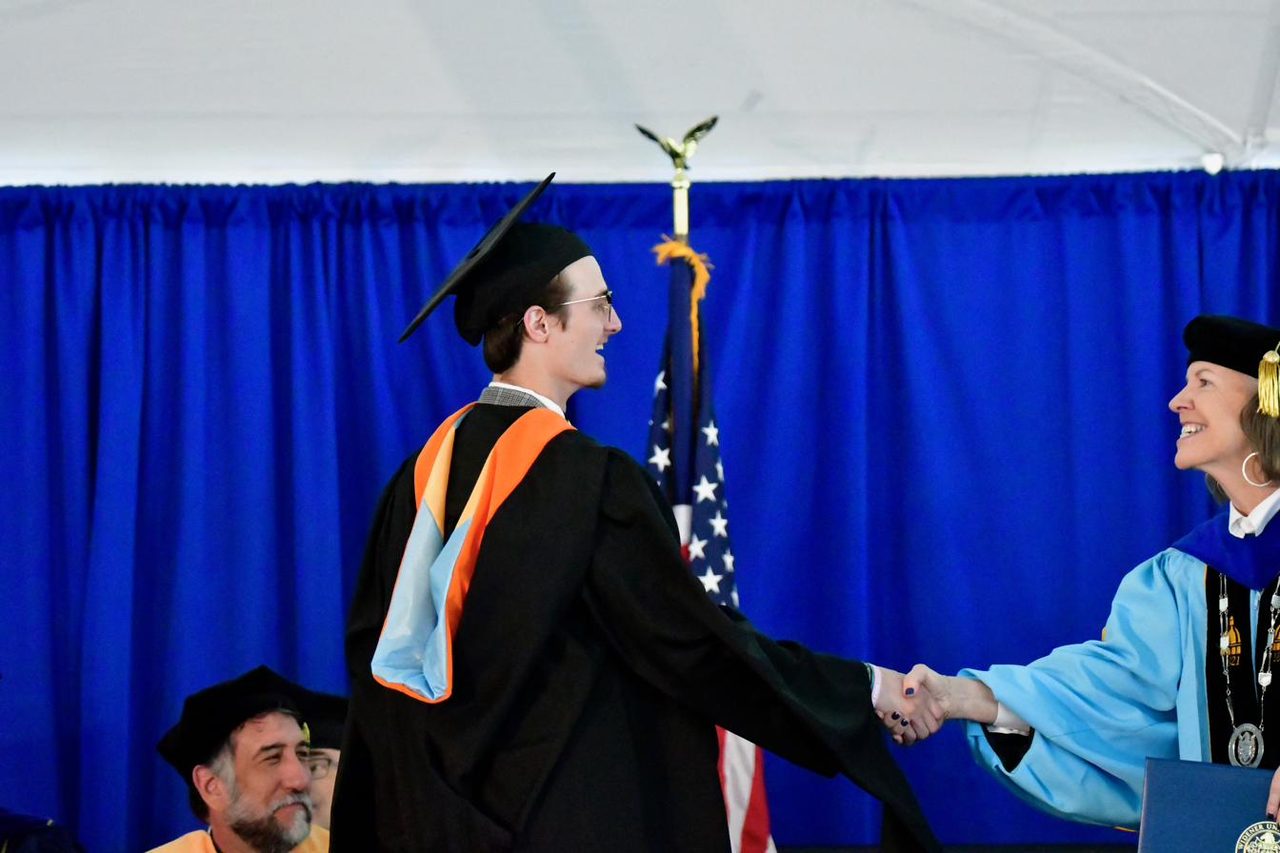
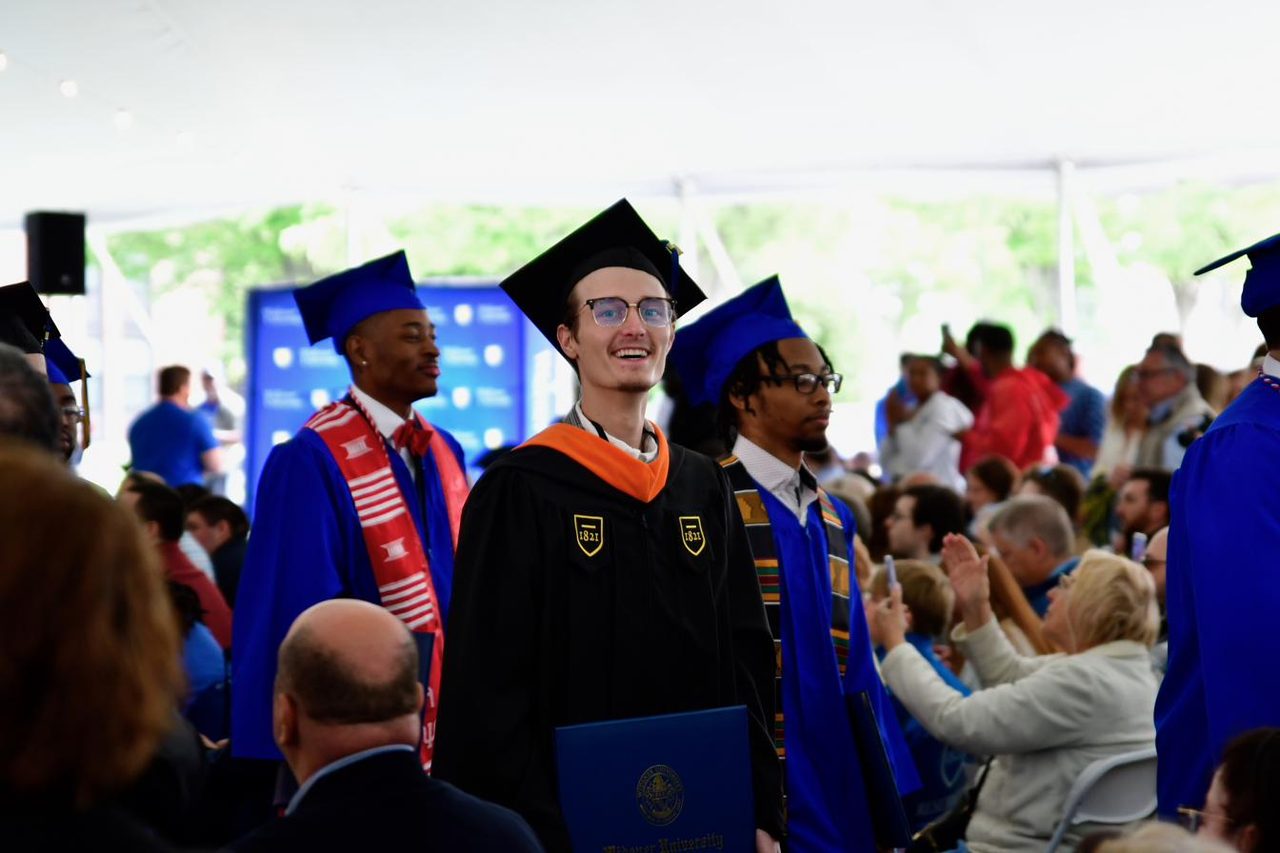
None of it came easy, and that is the point. No matter how stressful or how hard a project got, my focus, my ability to figure it out, and a driven work ethic are what made it all possible. That same drive is how it all came together in the end, with my master's graduation in 2026, where I finished with a 3.78 GPA.

Hardware or software, physical or financial, the through line holds. Understand the system completely, build it end to end, and prove that it works.

Capabilities

Embedded & Power Electronics

  • Firmware in C/C++ on Arduino & bare-metal MCUs
  • Battery management, SOC estimation, fault detection
  • SSR & MOSFET switching, gate-driver circuits
  • Galvanic isolation & high-current design

Robotics & Autonomy

  • ROS2 nodes, navigation & control loops
  • SLAM, particle filtering, state estimation
  • Gazebo simulation & bench validation
  • UAV / mobile-platform power systems

Software & Full-Stack

  • Native iOS in Swift — auth, payments, push
  • Firebase, REST/real-time data pipelines
  • End-to-end product builds & release to TestFlight
  • Rapid prototyping with modern AI tooling

Quantitative & Trading

  • Options pricing, Black–Scholes, the Greeks
  • Signal design, backtesting, edge validation
  • Market-data automation & alerting
  • Statistical thinking under uncertainty
The path here
2026 to present
Founder and independent work
Cofounded CLARO and built its iOS app, alongside a set of quantitative trading and signal systems.
2026
M.S. Robotics Engineering, Widener University
Graduated with a 3.78 GPA. Thesis on a hybrid power system governed by an intelligent battery management unit. Graduate work spanned artificial intelligence, pattern recognition, robotic vision, and mobile robotics.
2025
B.S. Robotics Engineering, Widener University
A full engineering core in controls, circuits, electronics, signals, and mechatronics, plus the math sequence through differential equations and linear algebra. Multiple terms on the Dean's List, capped by the Skywalker III senior project.

Projects

Hybrid Power Systems
/01

Intelligent Battery Management Unit

M.S. Thesis · Embedded & Power Electronics

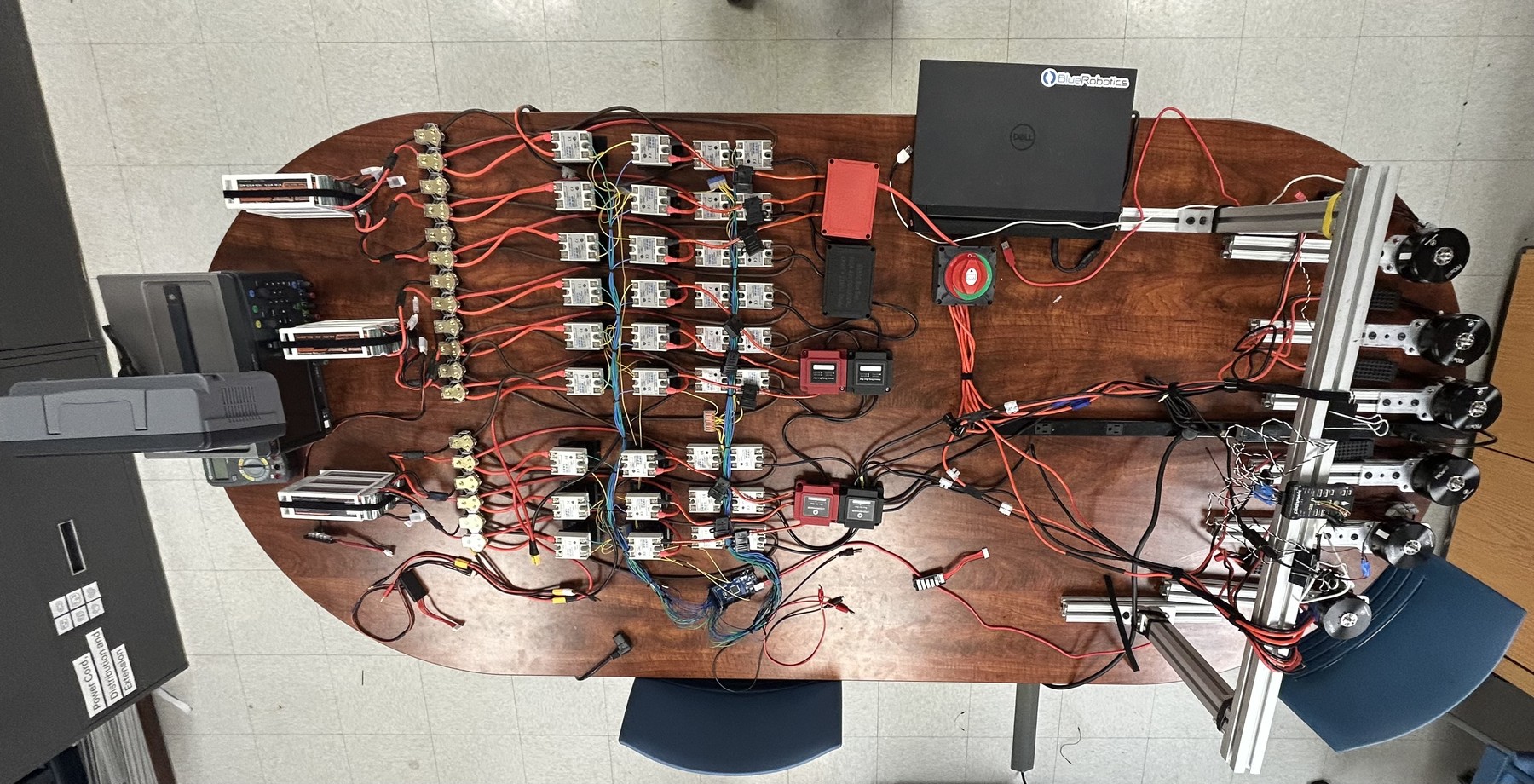
A hardware BMS for extended operation of mobile platforms: 45-channel per-cell monitoring across three Arduino Megas, a solid-state-relay switching network with galvanic isolation, and a custom Rolling Replenishment scheduler. Validated on the bench against six brushless motors.

Arduino / C++SSR switchingGalvanic isolationSOC estimationFault detectionCAN (scalability)
+118.6%
Energy recovered
−58%
Switching events
View project →
/02

Skywalker III — Hybrid Hexacopter UAV

Team Lead · Robotics & Power Systems

Led a six-person team building a 10-foot series-hybrid hexacopter with a 4.5 kW onboard generator. Owned the schedule, ~$3K budget, and full system integration, and defined the autonomous battery-rotation concept that became my thesis.

Pixhawk / ArduPilotRTK GNSSSeries-hybrid12S power busT-Motor BLDCSystem integration
480 A
Peak system current
44.4 V
Bus voltage
6
Team led
View project →
Software, Apps & Quant
/03

CLARO — Real-Time Arbitrage Engine

Co-Founder · Solo iOS Build

A production iOS app built solo: a sub-10-second detection engine scanning 10 books across 22 leagues, with deep-link auto-fill, auth, push, and in-app purchase. Shipped the full iOS + backend stack end to end to TestFlight beta.

Swift / XcodeFirebase AuthStoreKit 2OneSignalWebSocket feedsSHA-256
<10s
Detection latency
50+
Beta users
22
Leagues covered
View project →
/04

Options Volatility & Greeks Analyzer

Independent · Python / PyQt6

An implied-volatility and Greeks analyzer: a Newton-Raphson IV solver run across live option chains, the full Greeks, SABR volatility-surface modeling, arbitrage detection (put-call parity, calendar, butterfly), and IV-percentile scanners — fronted by a PyQt6 GUI with interactive 3D surface visualization.

PythonImplied volatilityBlack-Scholes / GreeksSABRArbitrage detectionPyQt6
5
Greeks computed
3D
SABR vol surface
3
Arbitrage checks
View project →
AI & Machine Learning
/05

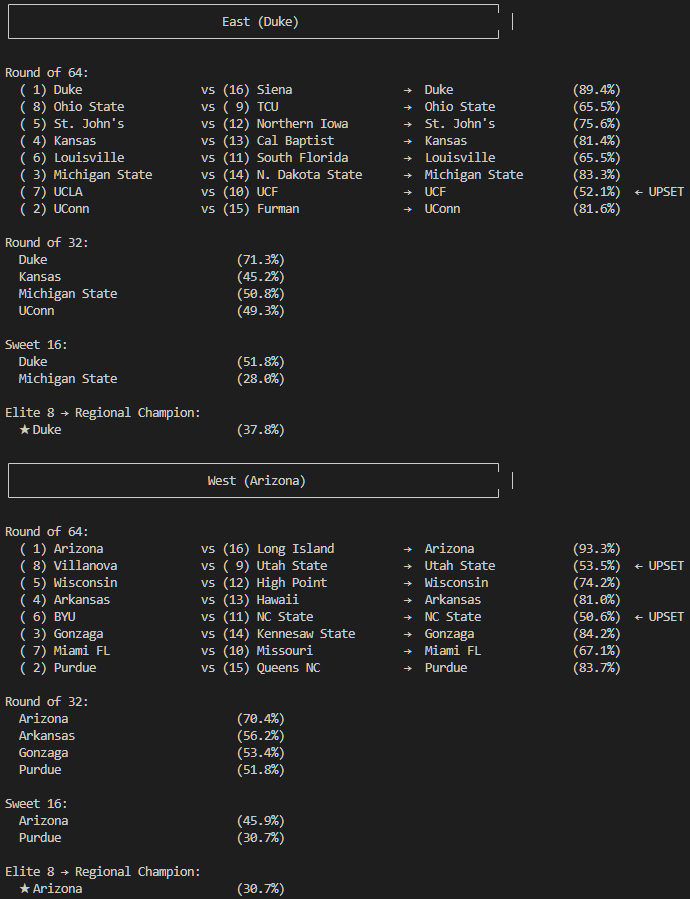
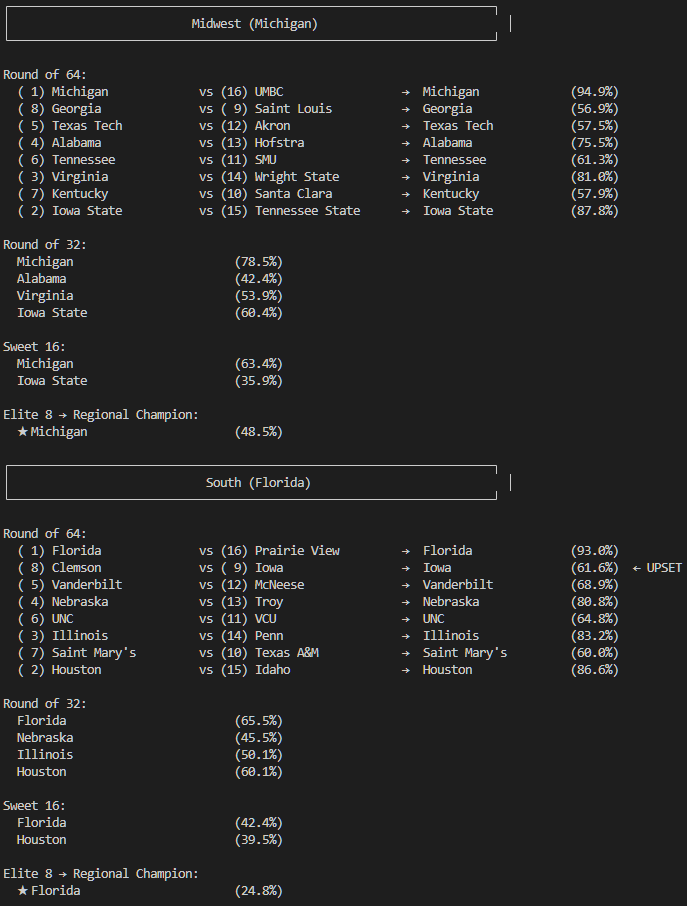
NCAA Tournament Prediction Engine

Independent · Python / GPU

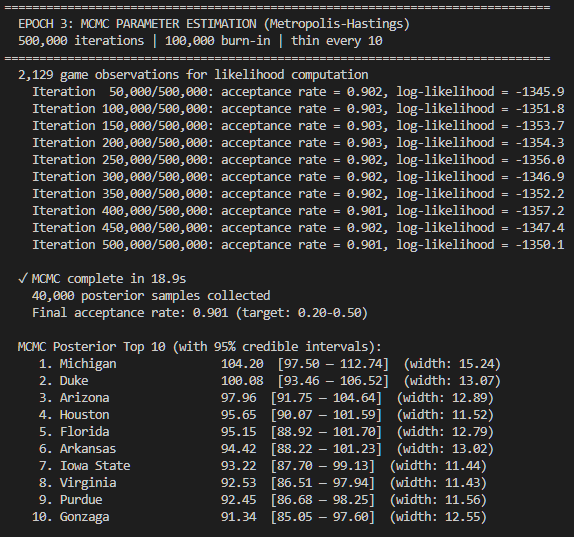
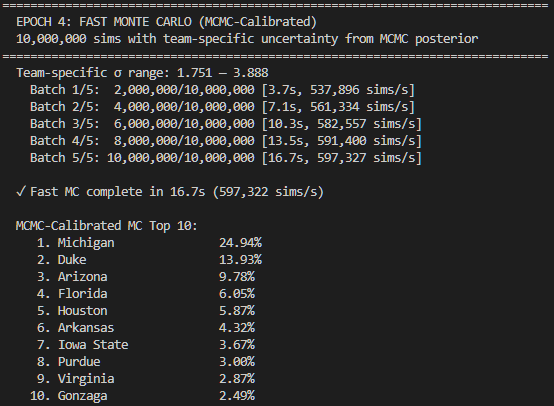
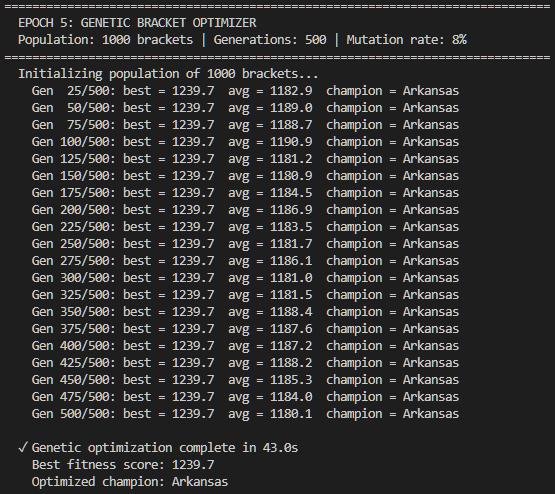
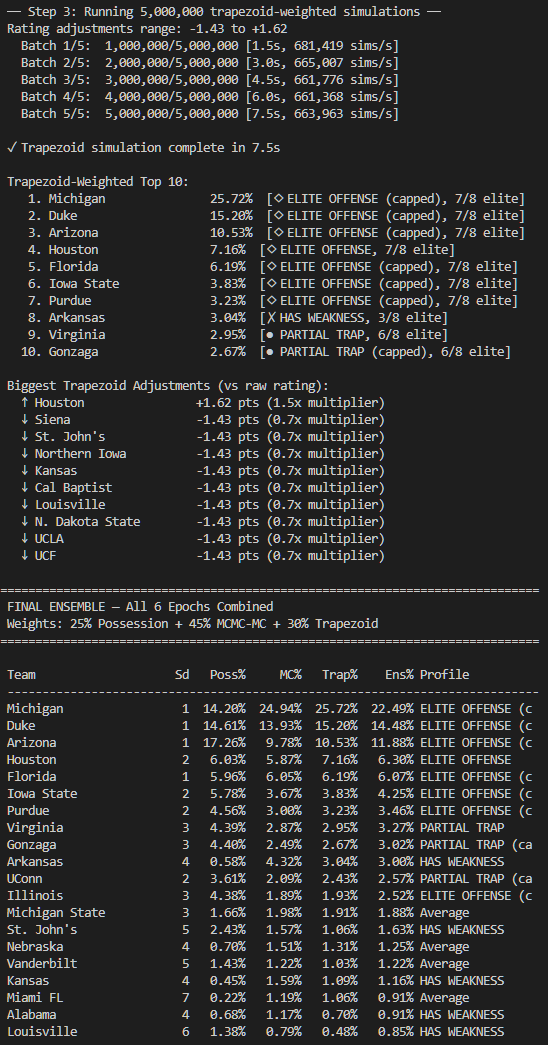
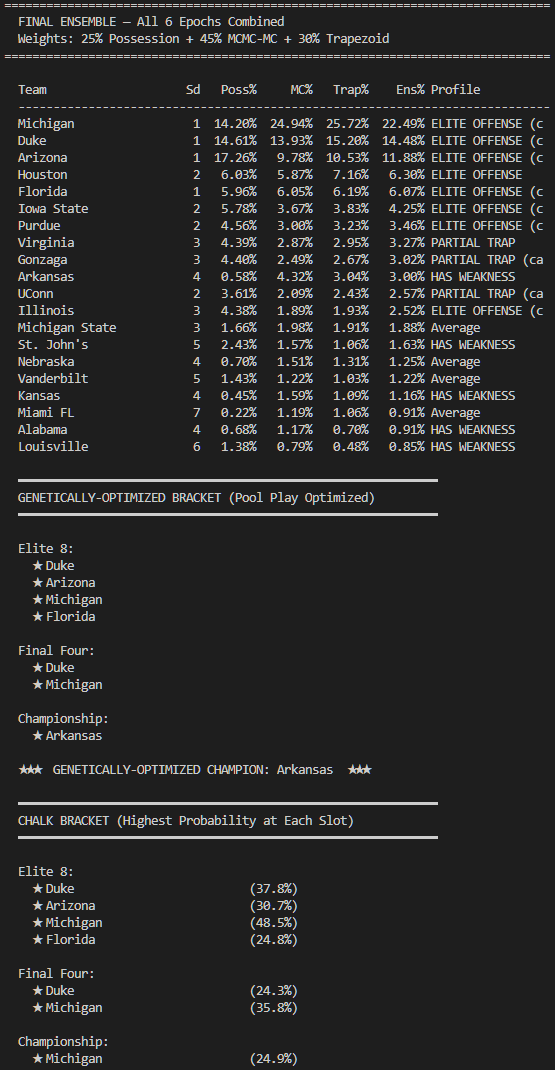
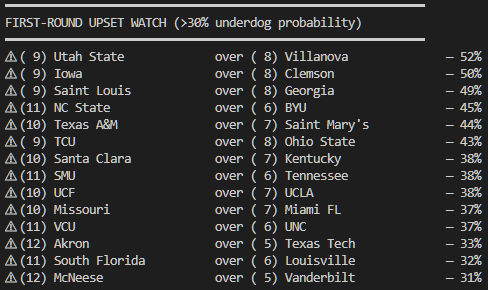
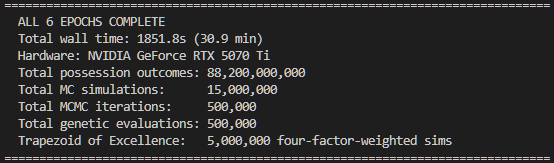
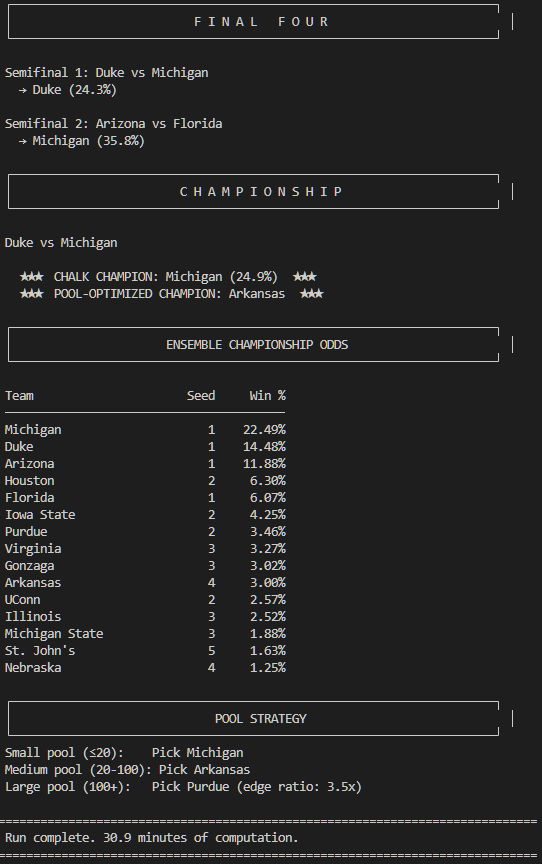
A deep-computation March Madness predictor built from scratch: it simulates 88 billion possessions across 10 million tournaments, runs 500,000 MCMC iterations to estimate posterior team-strength distributions, and evolves 1,000 brackets with a genetic algorithm tuned for pool winnings against estimated public pick rates. Finished top 3.5% on ESPN and correctly predicted the champion.

PythonNumPyCustom MCMCMonte CarloGenetic algorithmGPU
96.5%
ESPN percentile
Winner predicted
88B
Possessions
View project →
/06

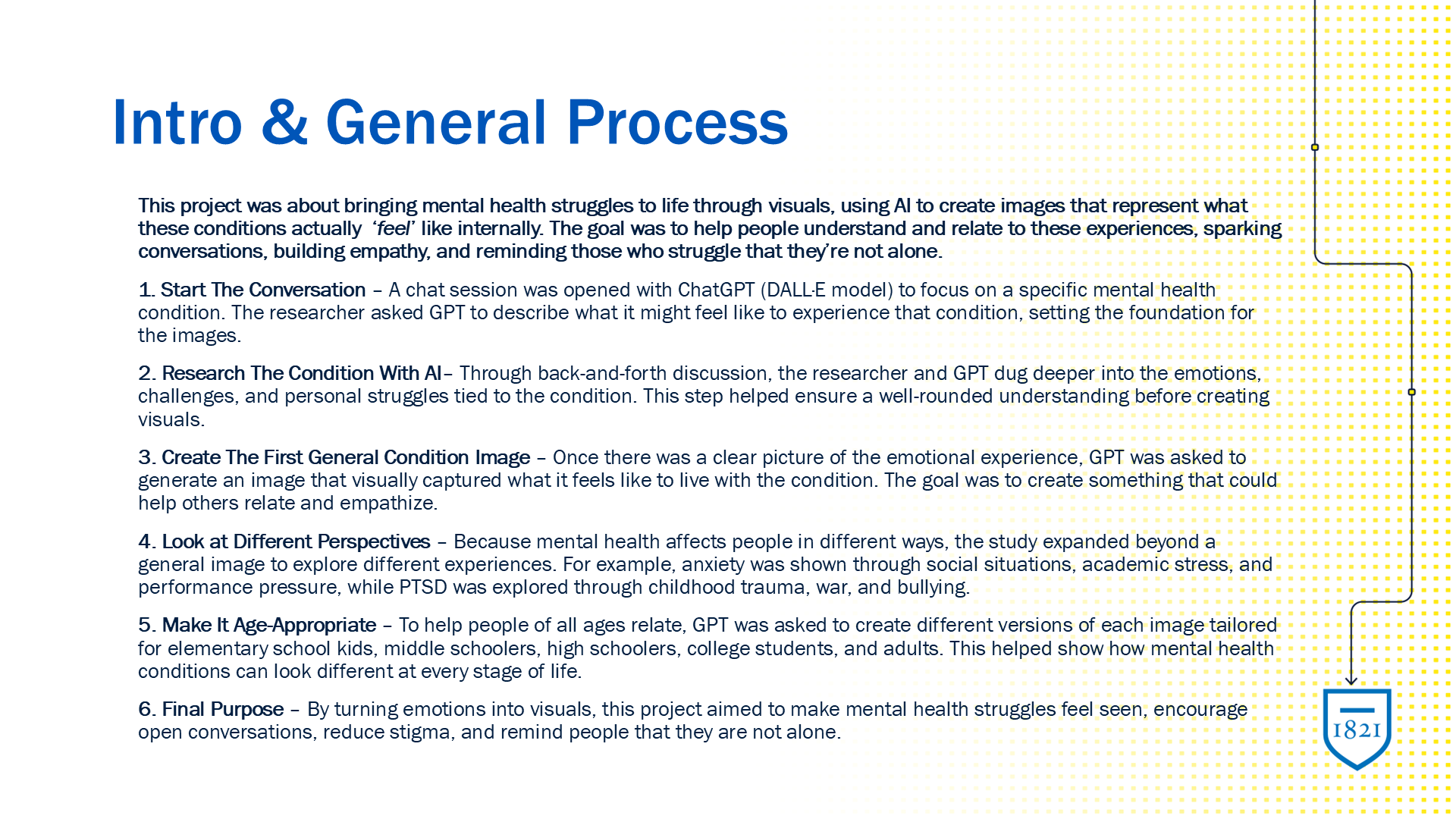
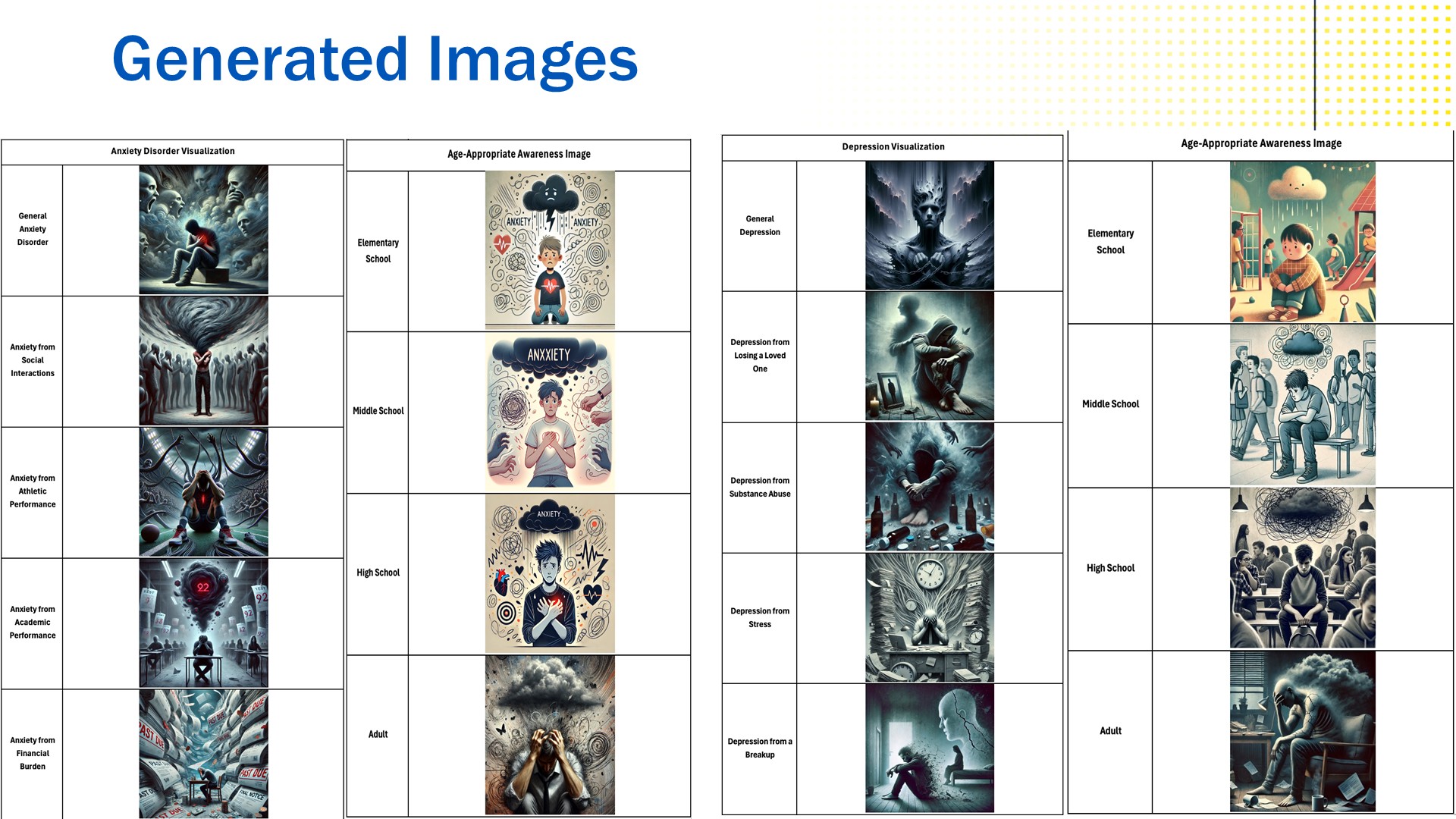
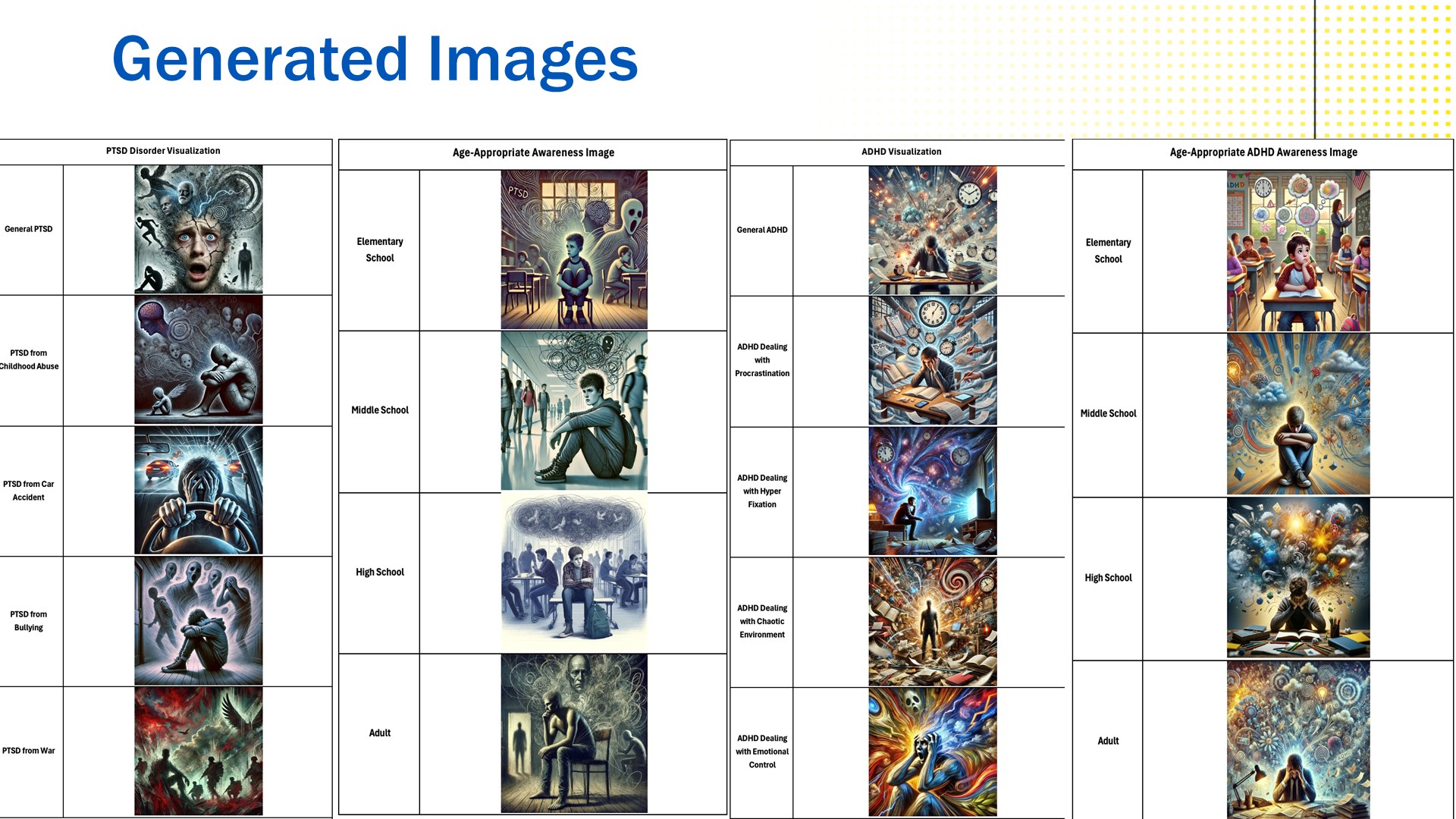
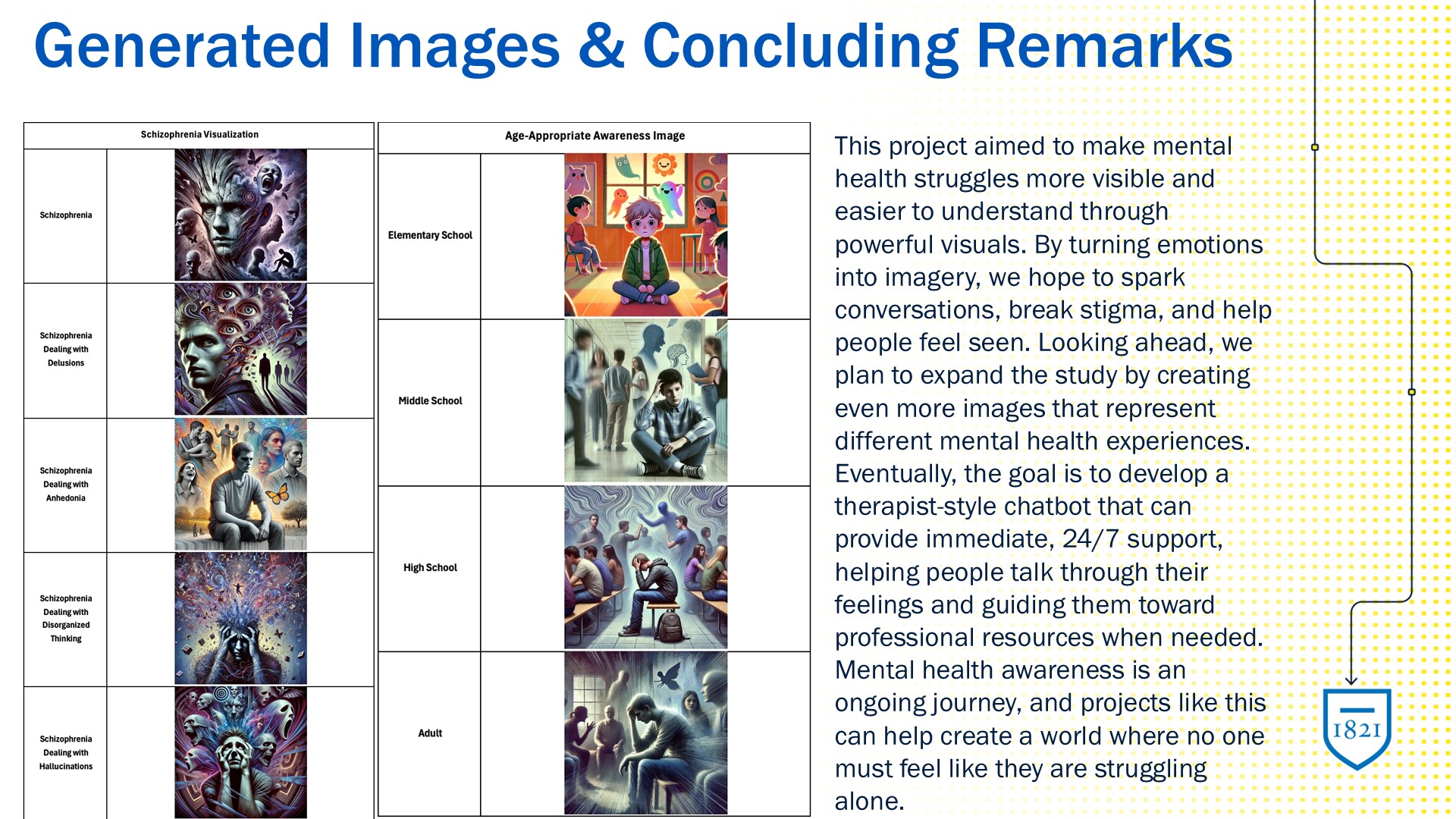
Visualizing Mental Health with AI

AI Day Competition · 2nd Place

A generative-AI study that has LLMs research a mental illness, then visualize its inner experience — including age-appropriate images built to grow empathy in children.

Generative AILLM researchImage generationMental-health education
2nd
AI Day placement
5
Conditions explored
View project →
/07

AI Poker Strategy Engine

Undergraduate Research · Python

An end-to-end poker AI: parsed tens of thousands of decisions from Pluribus, engineered poker-specific features, and trained Random Forest + MLP classifiers to imitate its play at ~81% action-prediction accuracy — then wrapped it in a Flask coaching app.

PythonFlaskRandom ForestMLP / scikit-learnMonte CarloFeature engineering
~81%
Action-prediction acc.
5
Poker actions classified
View project →
/08

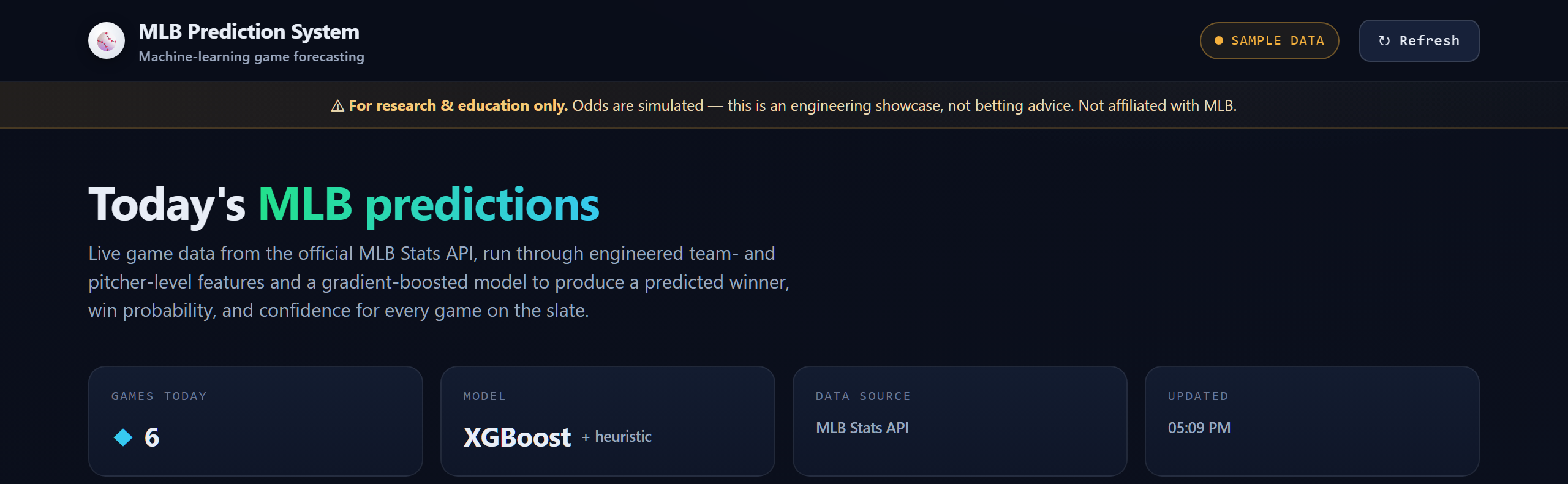
MLB Prediction System

Independent · Python / ML

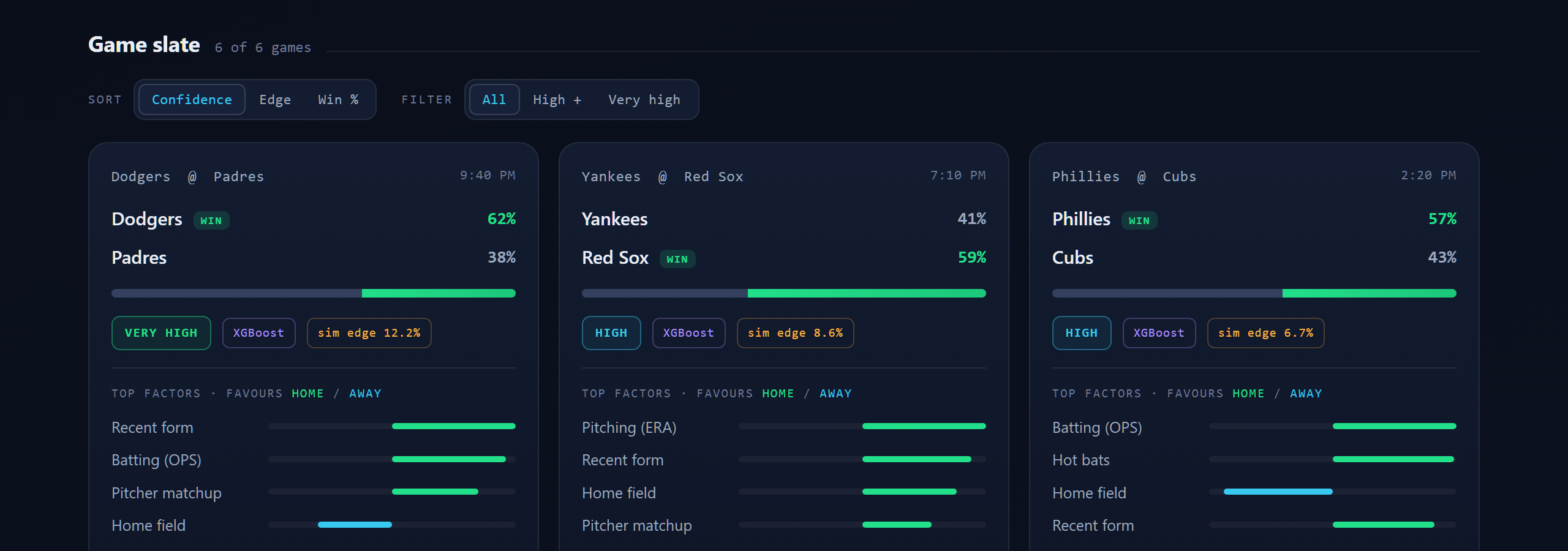
An end-to-end ML framework for forecasting MLB game outcomes. It pulls live data from the official MLB Stats API, builds engineered team- and pitcher-level feature vectors (recent form, run differential, OPS, ERA/WHIP, Pythagorean expectation, pitcher matchup), and trains gradient-boosted trees (XGBoost) against a Random-Forest / Gradient-Boosting / logistic ensemble, scored by a leakage-aware temporal backtester and served through Flask, CLI, and desktop front ends.

PythonXGBoostscikit-learn ensembleFlaskSQLiteMLB Stats API
30
MLB teams
4
Model types
3
Interfaces
View project →
Computer Vision
/09

CNN Image Classification

Deep Learning · Python / TensorFlow

Convolutional neural networks for five-class flower classification on a ~4,000-image dataset — 3- and 4-layer architectures with a full preprocessing and augmentation pipeline. The deeper net classified a held-out test set 11/11.

PythonTensorFlow / KerasCNNData augmentationImage classification
11/11
Held-out test set
~90%
Avg. test confidence
View project →
Controls, Robotics & Energy
/10

Mobile Robotics Series

Coursework · Python / ROS2

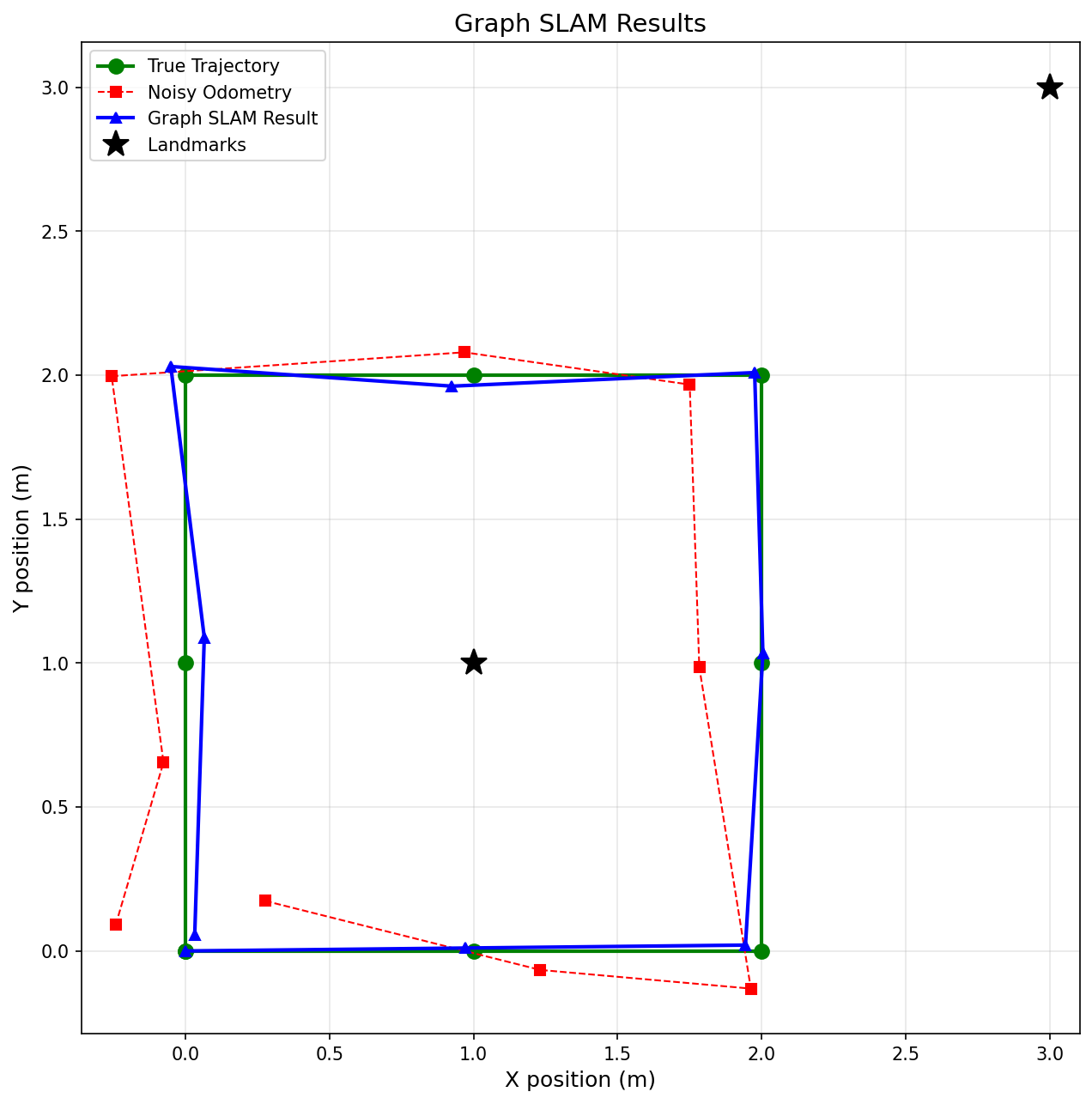
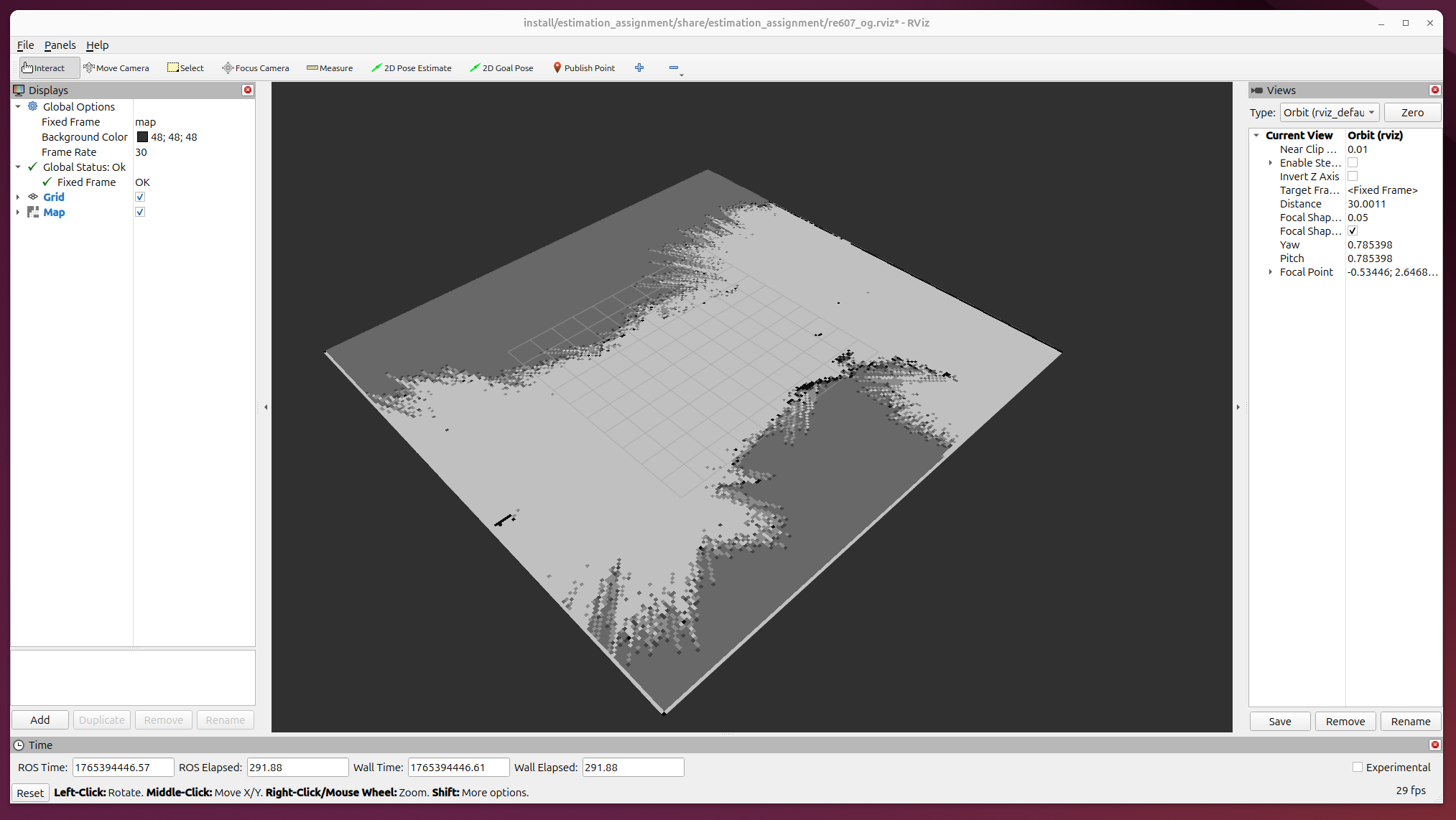
A three-part mobile-robotics series implementing the core autonomy stack — planning, mapping, and localization — in Python and ROS2, demonstrated in Gazebo/RViz simulation: A*/Dijkstra/RRT planning with LQR control, occupancy-grid mapping with graph SLAM, and Monte Carlo Localization.

PythonROS2 (rclpy)NumPyGazeboRVizOpenCV
3
Core subsystems
View project →
/11

Electric Vehicle Drive Simulation

Undergraduate Research · MATLAB / Simulink

A MATLAB / Simulink model of an EV drivetrain — DC motor, PI controller, and battery as one system — analyzing power flow through both motoring and regenerative braking.

MATLABSimulinkPI controlRegenerative brakingPowertrain modeling
2
Power-flow modes
View project →
M.S. Thesis · Embedded & Power Electronics

Intelligent Battery Management Unit

Jun 2025 – May 2026 · Widener University

My master's thesis, Development of a Hybrid Power Generation System Controlled by an Intelligent Battery Management Unit for Extended Operation of Mobile Platforms, defended April 2026 under Dr. Daniel Roozbahani. It set out to push the runtime of mobile and aerial platforms well past the limits of a single battery by intelligently coordinating multiple battery sets alongside an onboard generator.

The core problem is simple to state and hard to solve: a platform that flies or drives on batteries is grounded the moment those batteries drain. Rather than treat the pack as one monolithic source, the BMU treats it as a set of independently switchable banks that can be rotated in and out of service, charged, and monitored while the platform keeps running.

System architecture

  • 45-channel, cell-level voltage monitoring distributed across three Arduino Mega 2560s.
  • A four-solid-state-relay-per-battery switching network with full galvanic isolation between control and power domains.
  • A custom Rolling Replenishment scheduler that decides which bank flies, which charges, and when to swap.

Results & validation

  • +118.6% energy recovered and −58% switching events versus the best reactive strategy.
  • Validated on the bench driving six BLDC motors under load.
  • Mapped a clear scalability path to EV-grade hardware: dedicated BMS ICs, SiC MOSFETs, and a CAN backbone.
+118.6%
Energy recovered
−58%
Switching events
Arduino / C++SSR switchingGalvanic isolationSOC estimationFault detectionCAN (scalability)

The bench

Top-down view of the full bench prototype: six motors on rails, the solid-state-relay switching network, and the three-Arduino monitoring stack
The full bench prototype — six motors on rails, the solid-state-relay switching network, and the three-Arduino monitoring stack wired as one system.
Team Lead · Robotics & Power Systems

Skywalker III — Hybrid Hexacopter UAV

Aug 2024 – Jun 2025 · Senior Project Team #17

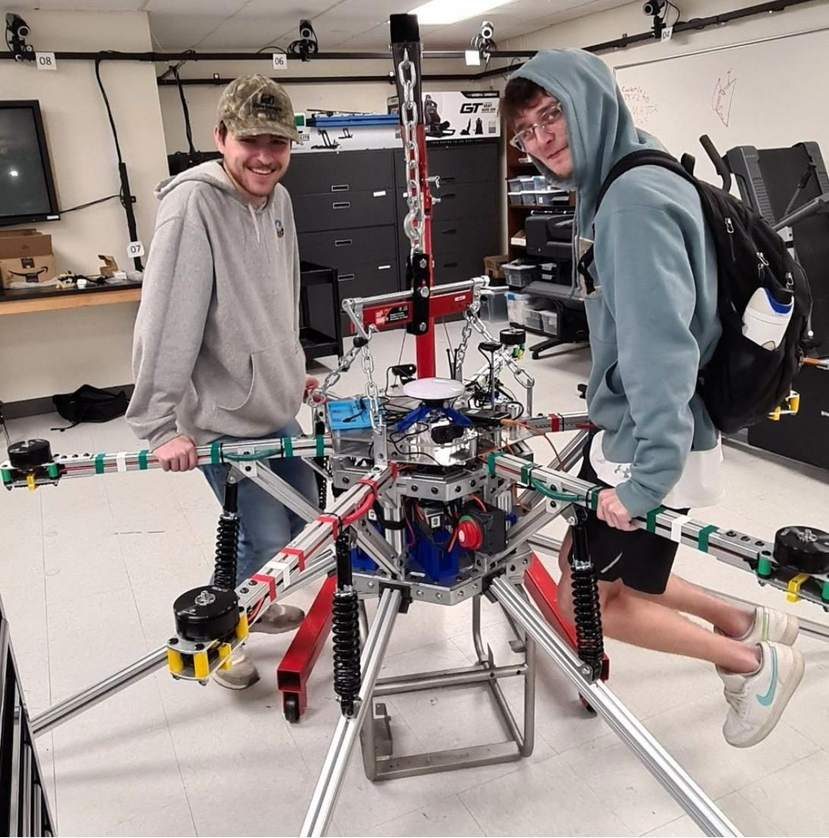
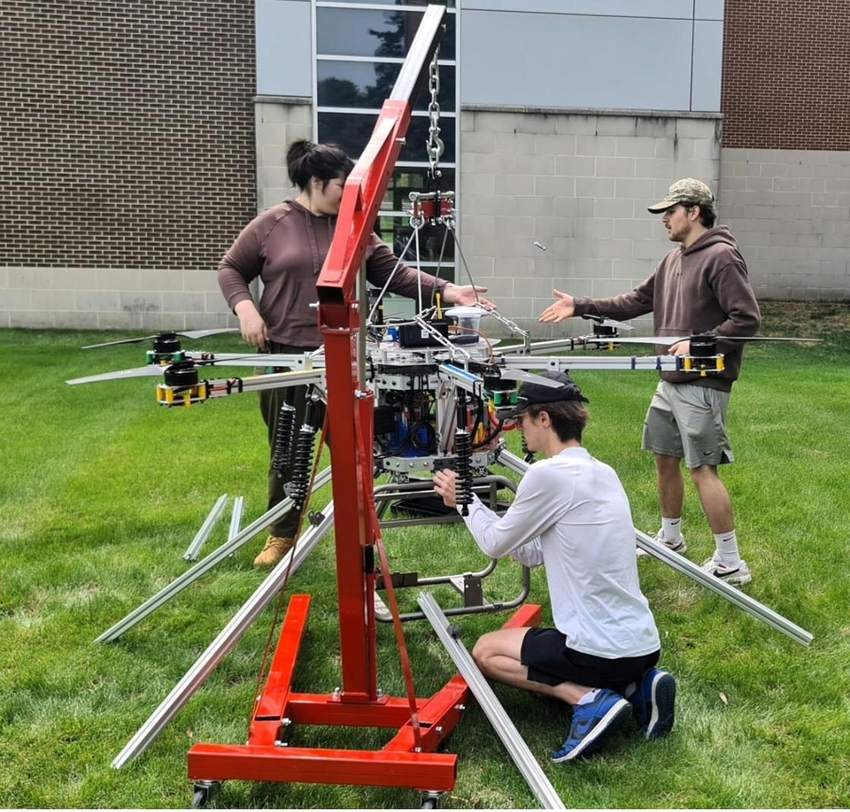
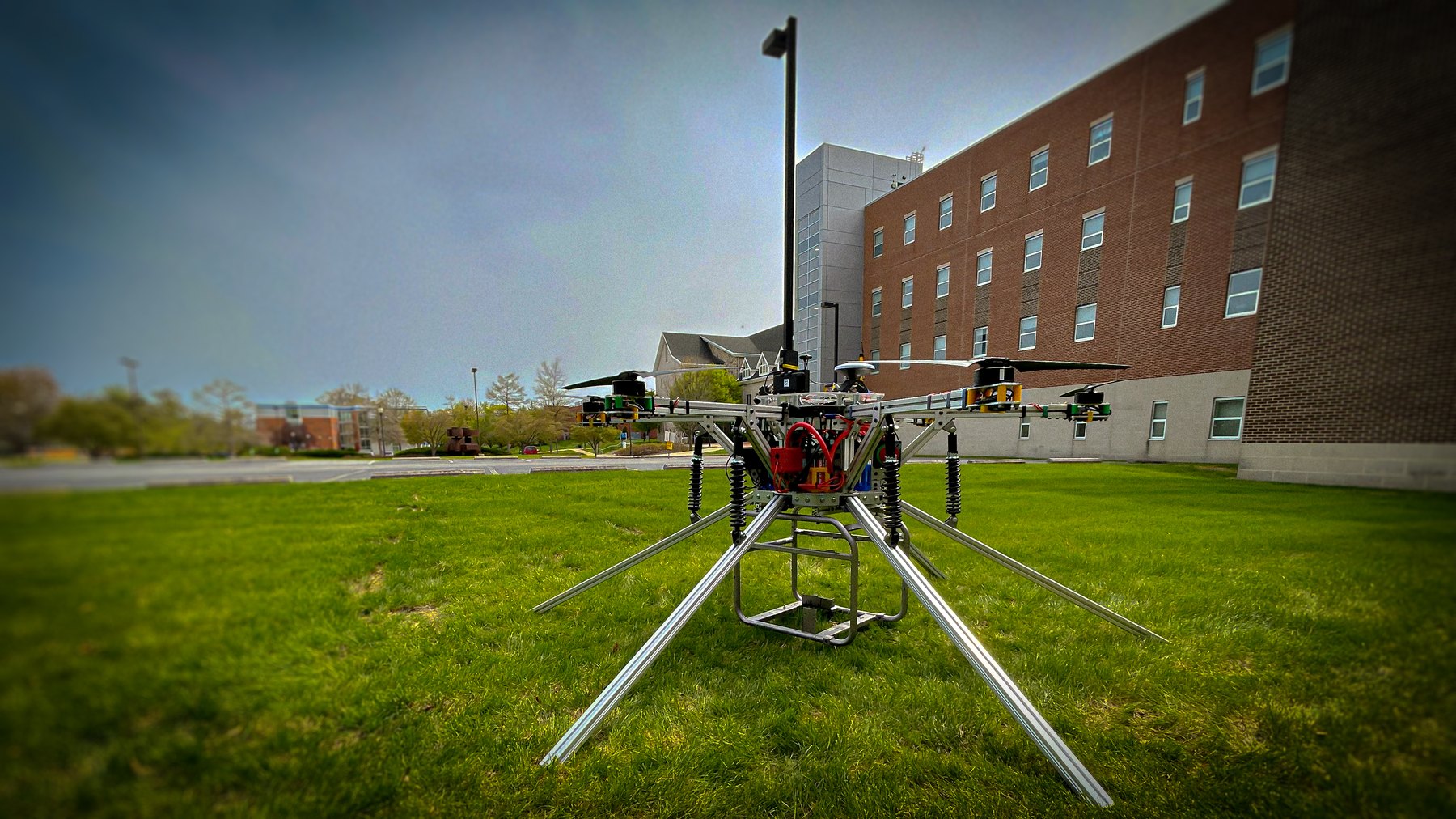
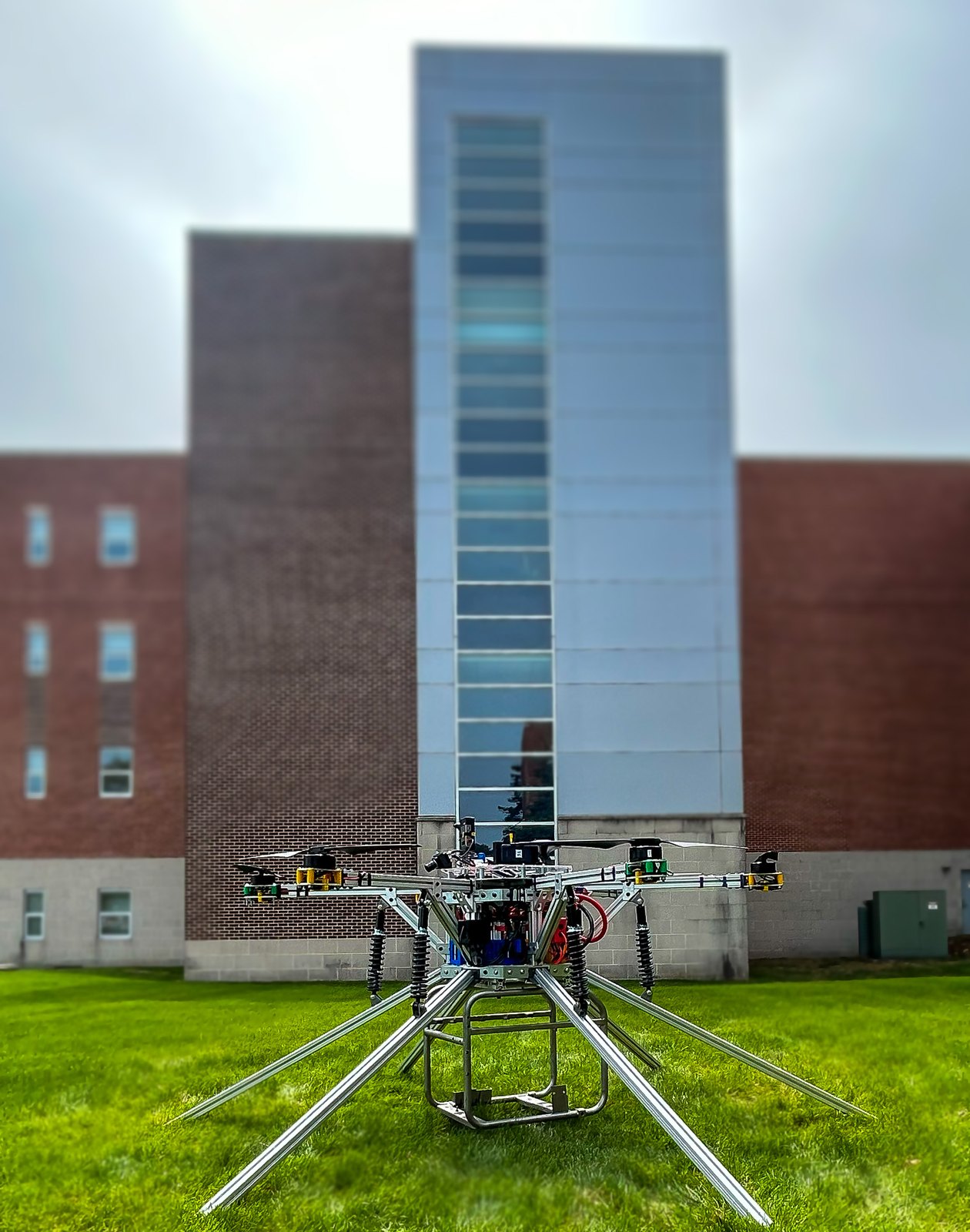
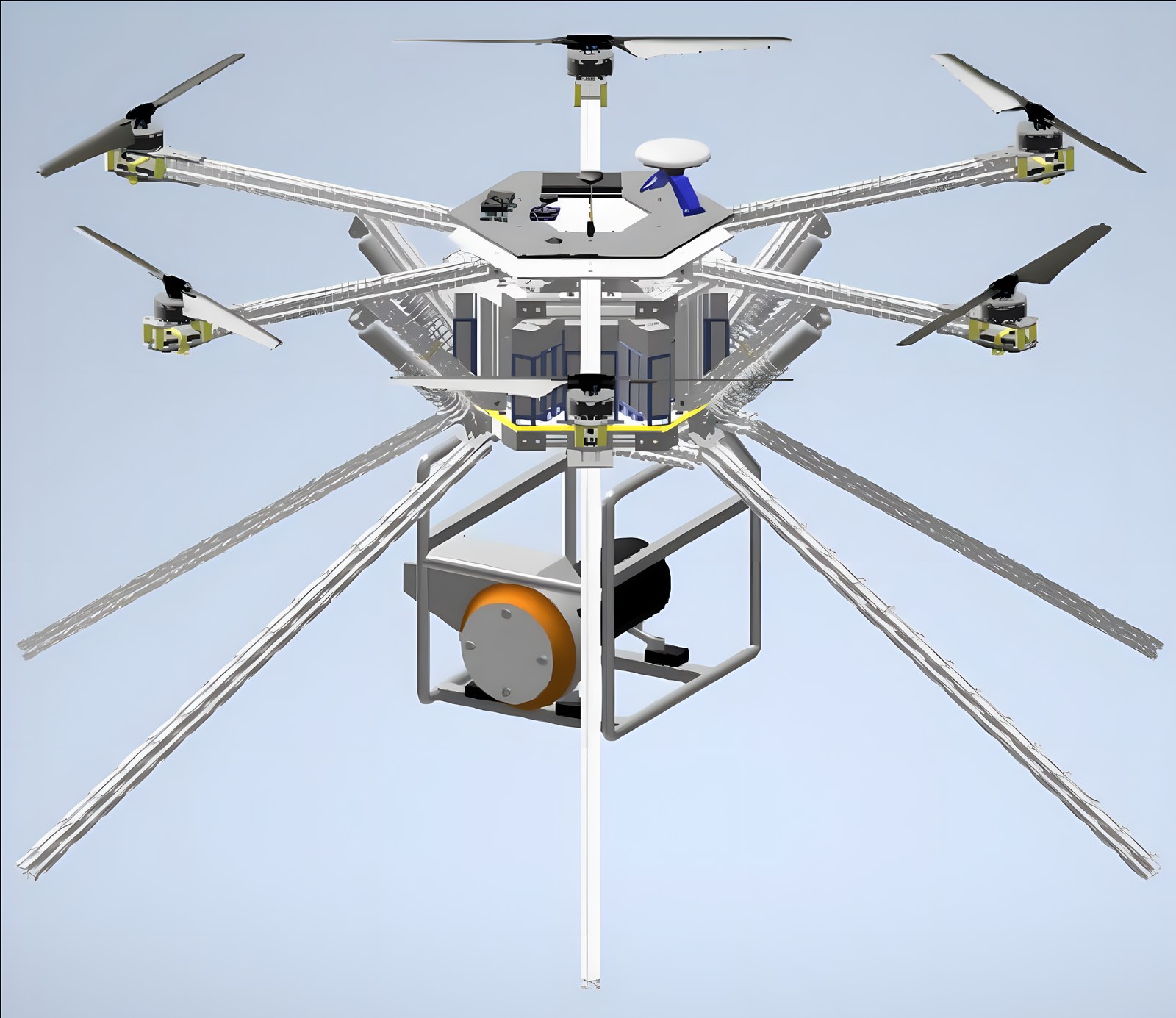
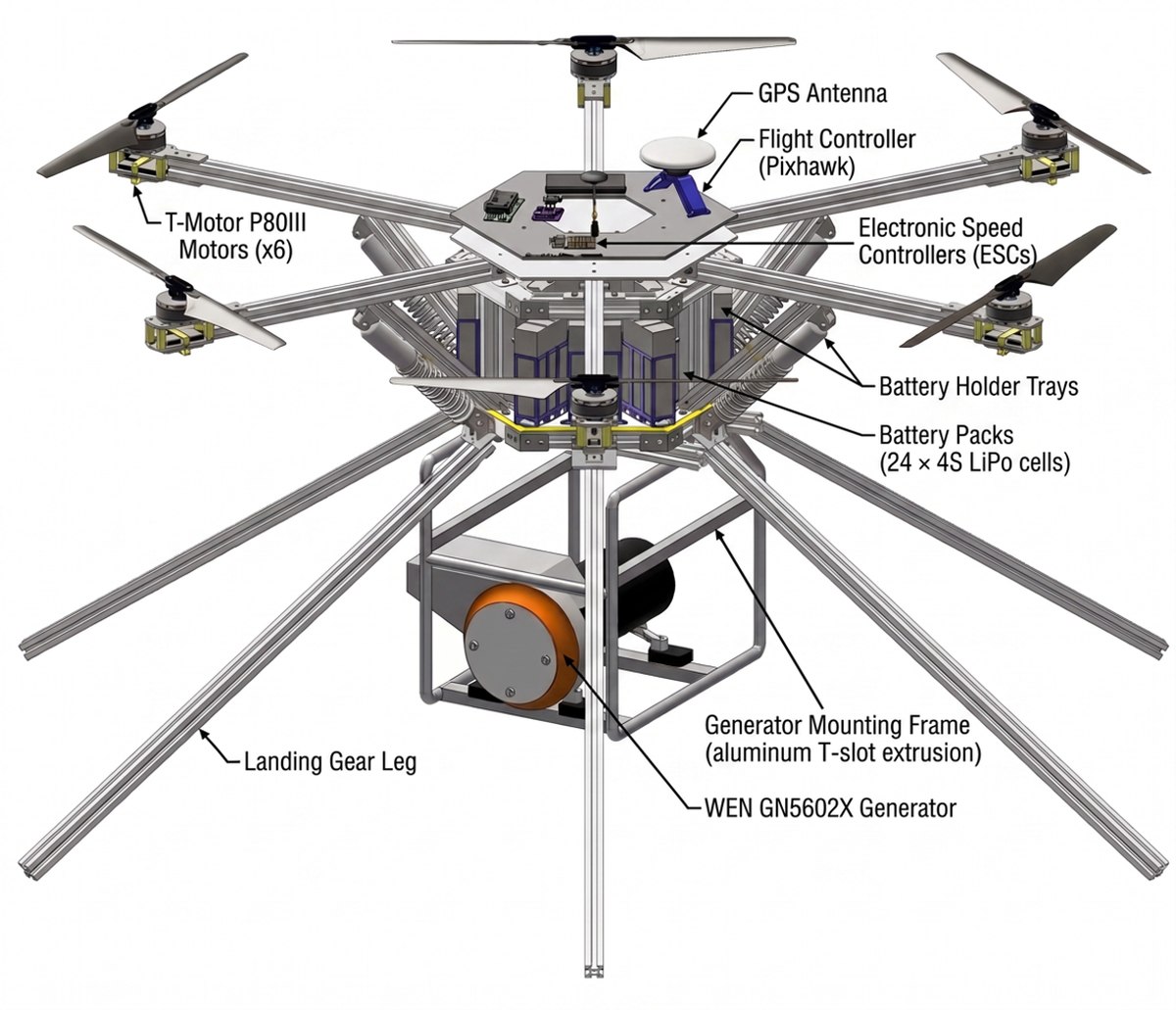
Skywalker III was Widener's senior design capstone: a 10-foot, series-hybrid hexacopter designed to stay aloft far longer than a battery-only drone by carrying its own 4.5 kW generator. As Team Leader of the six-person group, I owned the schedule, the roughly $3K budget, and the full system integration across mechanical, power, and flight-control subsystems.

The defining idea was self-sustaining endurance. Instead of landing to swap or recharge, the airframe carries two battery sets and a generator, rotating them so that one set powers flight while the other charges. That “one set charges, one set flies” concept is what later grew into my master's thesis.

Flight & power systems

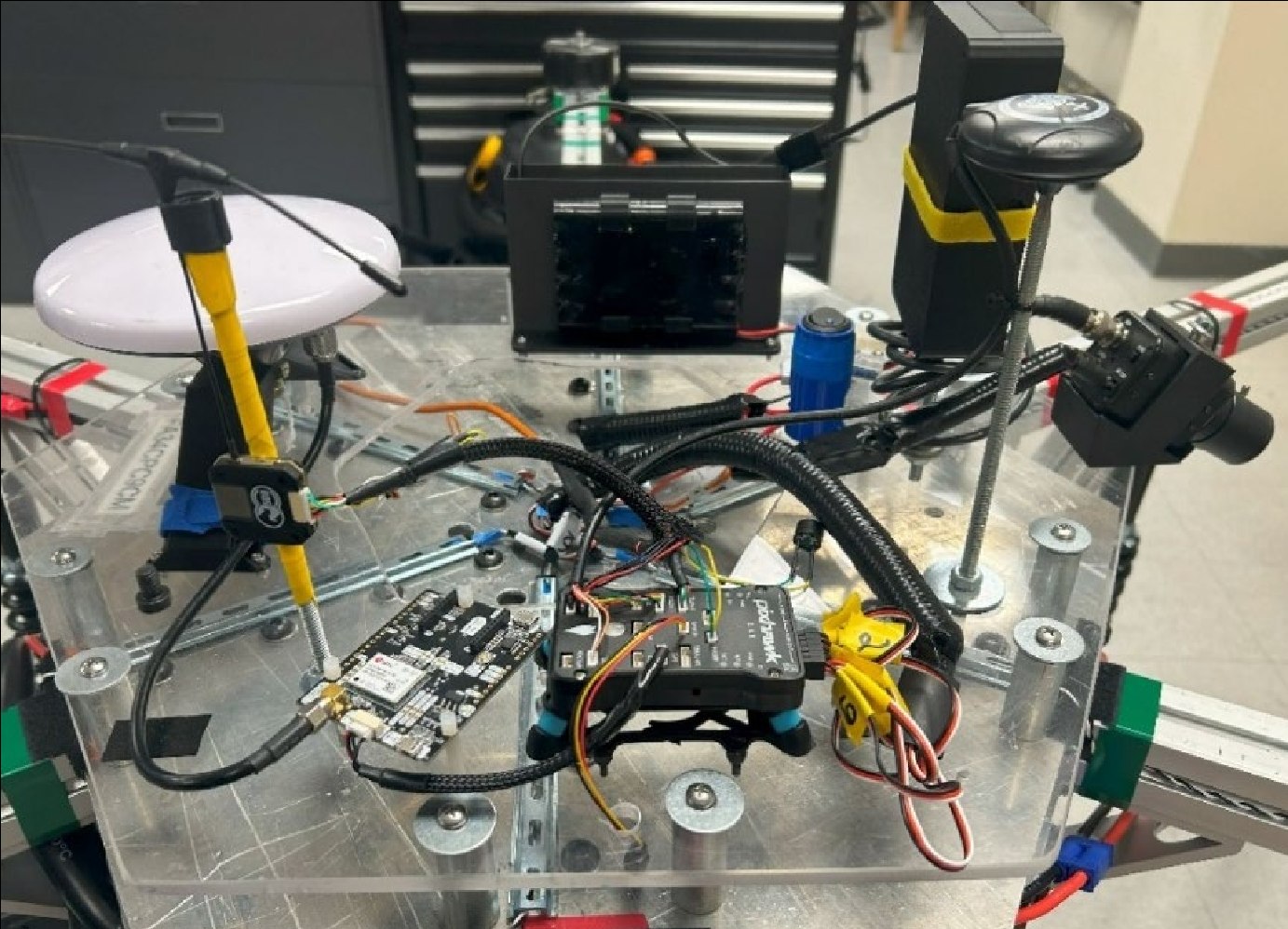
  • Pixhawk / ArduPilot flight stack with RTK GNSS for precise positioning.
  • Six T-Motor brushless motors on a 12S / 44.4 V bus.
  • A 24-cell LiPo bank near 2,300 Wh, split into rotating sets fed by the onboard generator.
  • Custom shock-absorbing landing gear designed for a top-heavy VTOL airframe.
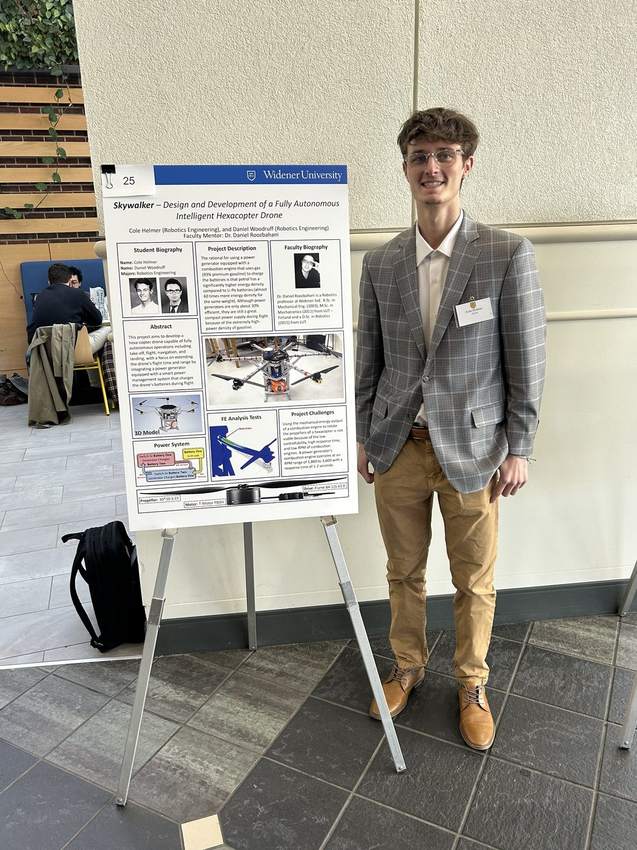
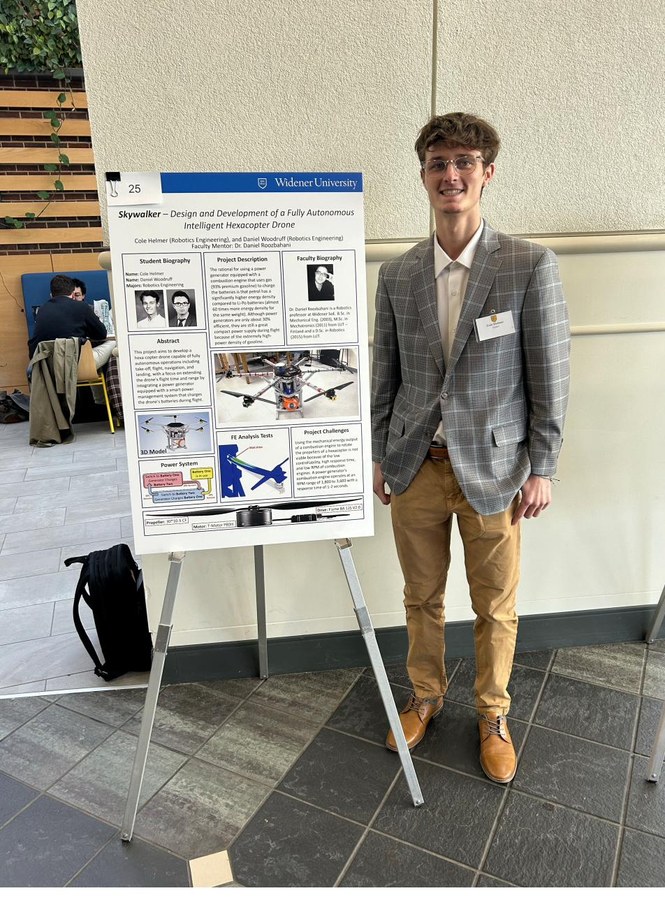
Cole presenting the Skywalker III poster at Widener's High-Impact Educational Practices Fair
Presenting Skywalker III at Widener's High-Impact Educational Practices Fair.

From this project to my thesis

  • The autonomous battery-rotation scheme prototyped here became the Intelligent Battery Management Unit thesis.
10 ft
Airframe
480 A
Peak system current
44.4 V
Bus voltage
6
Team led
Pixhawk / ArduPilotRTK GNSSSeries-hybrid12S power busT-Motor BLDCSystem integration

From design to flight

Full report
Skywalker III — Autonomous Self-Charging Hexacopter Drone
Open in Research Reports
Co-Founder · Solo iOS Build

CLARO — Real-Time Arbitrage Engine

Jan 2026 – Present · Claro Betting LLC

CLARO is a real-time sports arbitrage iOS app I co-founded and built solo, front to back. It is live on TestFlight with 50+ beta users and in App Store review, spanning the full iOS client and its backend services.

The engineering challenge is latency and trust: opportunities exist for seconds, and every one shown to a user has to be real. The detection engine ingests live data, cross-checks it, and surfaces only validated results fast enough to act on.

Detection engine

  • Sub-10-second detection pipeline combining a REST feed with two live WebSocket feeds across 22 leagues and 10 books.
  • Consensus-outlier filtering to discard bad quotes, with SHA-256 hashing stamped on every detected opportunity.
  • Deep-link bet-slip auto-fill across five sportsbooks to close the loop from detection to action.
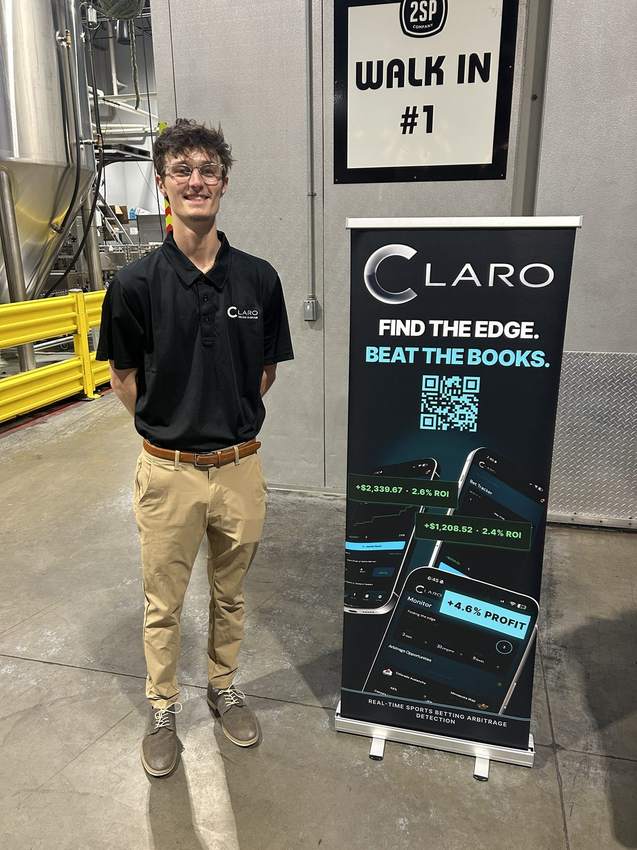
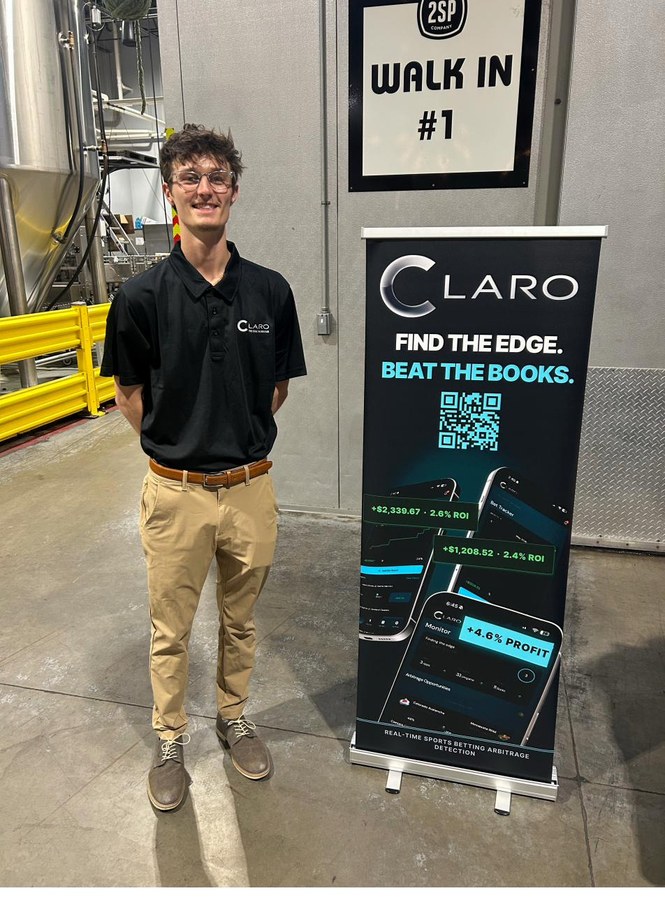
CLARO banner at its beta launch event
CLARO at its beta launch event — “Find the edge. Beat the books.”

Platform & shipping

  • Firebase Auth with Face ID, OneSignal push notifications, and Apple StoreKit 2 in-app purchases.
  • Architected and shipped the entire client and backend solo, end to end.
<10s
Detection latency
50+
Beta users
22
Leagues covered
Swift / XcodeFirebase AuthStoreKit 2OneSignalWebSocket feedsSHA-256
Live product
CLARO — clarobetting.com
Visit the live site
Independent · Python / PyQt6

Options Volatility & Greeks Analyzer

Personal project

An implied-volatility and Greeks analyzer that goes from raw option chains to tradable structure: a Newton-Raphson IV solver across every strike and expiration, the full Greeks, SABR volatility-surface modeling, multi-strategy arbitrage detection, and IV-percentile scanners — all behind a desktop GUI with interactive 3D surface visualization.

Live chain data comes from Yahoo Finance (free, no key) with an optional Polygon.io fallback, run through data-quality filters (bid-ask spread, volume, open interest, staleness) and a SQLite cache with rate-limit management.

What it does

  • Pricing engine — Black-Scholes with a Newton-Raphson implied-volatility solver (Halley fallback) and the full Greeks.
  • SABR volatility surfaces — industry-standard surface construction with arbitrage-free validation.
  • Arbitrage detection — put-call parity, calendar-spread, and butterfly checks across the chain.
  • Scanners — IV percentile, vertical spreads, and edge detection.
  • Backtesting — a strategy engine with walk-forward analysis.
  • GUI — PyQt6 dark-theme interface: interactive 3D Plotly surfaces, a live opportunity feed, and a sortable, color-coded chain table.
PythonImplied volatilityBlack-Scholes / GreeksSABRArbitrage detectionPyQt6Plotlyyfinance / PolygonSQLite
Independent · Deep-Computation / Quant

NCAA Tournament Prediction Engine

2026 · Independent build

A deep-computation bracket prediction system for the 2026 NCAA Men's Basketball Tournament, built and run end to end on a single workstation (RTX 5070 Ti, Ryzen, 64 GB DDR5) in 30–45 minutes of real computation per run. It correctly predicted the tournament champion and finished in the 96.5th percentile on ESPN's Tournament Challenge — out of millions of submissions.

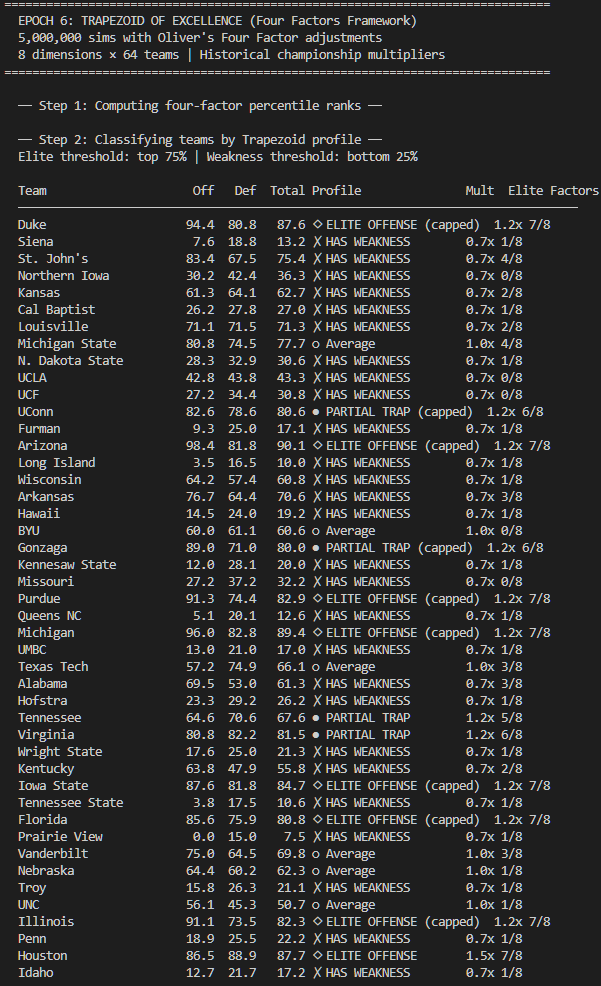
This isn't a weighted coin flip across 63 games. The engine simulates actual basketball, possession by possession, and runs six sequential computational epochs to find the optimal bracket.

The six epochs

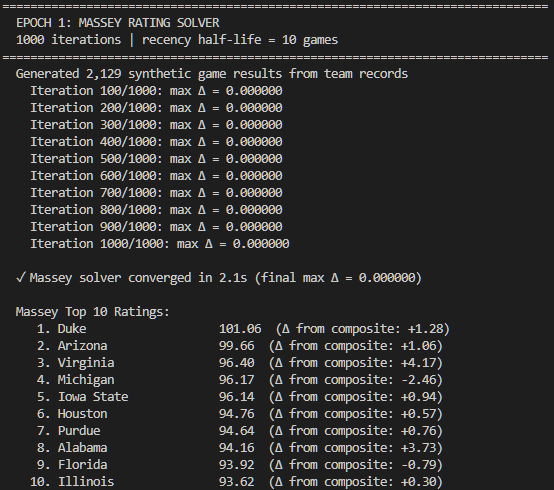
  • 1 · Massey rating solver. Iterates 1,000 times over a reconstructed game matrix to refine every team's power rating from opponent-adjusted point differentials with exponential recency weighting.
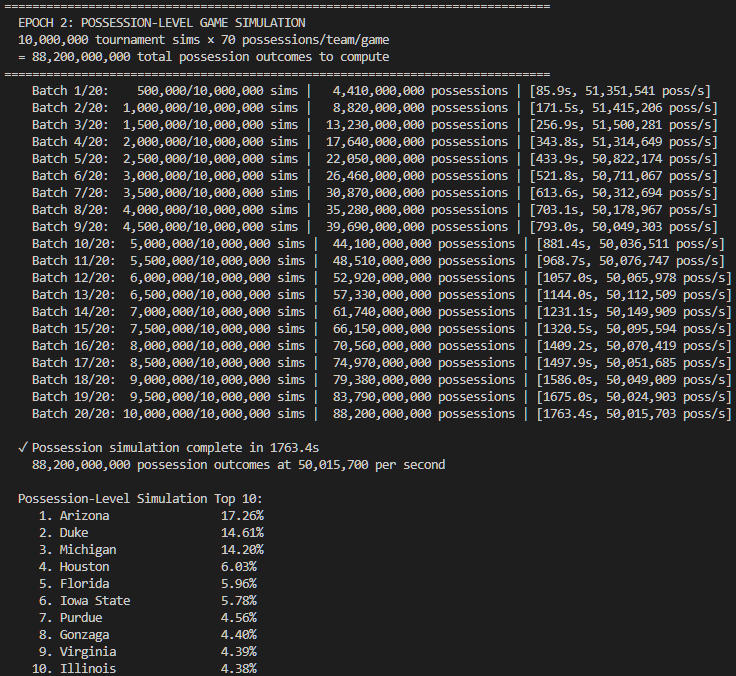
  • 2 · Possession-level game simulator. The heaviest epoch. Plays out 10 million complete 63-game tournaments where every possession resolves through a six-step chain — turnover check, shot-type selection, matchup-adjusted make/miss (Dean Oliver's Four Factors on both offense and defense), and-one free throw, offensive rebound, and second-chance conversion. 88 billion individual play outcomes in total.
  • 3 · MCMC sampler. 500,000 Metropolis-Hastings iterations estimate the full posterior distribution of each team's true strength, replacing point estimates with credible intervals that quantify how uncertain each rating really is.
  • 4 · MCMC-calibrated Monte Carlo. 10 million fast bracket simulations where each team's per-simulation noise is drawn from its own posterior width rather than a generic global parameter — inconsistent teams get wider variance than locked-in ones.
  • 5 · Genetic algorithm. Evolves 1,000 brackets over 500 generations with tournament selection, crossover, and mutation — optimizing not for expected score but for expected pool winnings, factoring contrarian edge ratios against estimated public pick rates so the bracket differentiates in large pools.
  • 6 · Trapezoid of Excellence. A final Four Factors championship-weighting pass: 5 million four-factor-weighted simulations that score every team across eight factor dimensions (four offensive, four defensive), apply historical championship multipliers, and reward teams that sit “inside the trapezoid” on both ends of the floor.

The final output blends the possession simulation (25%), the MCMC-calibrated Monte Carlo (45%), and the Trapezoid of Excellence pass (30%) into ensemble championship probabilities, then prints the complete bracket — every game, every round, every region — alongside pool-size-specific champion recommendations backed by game-theoretic edge analysis.

96.5%
ESPN percentile
Winner predicted
88B
Possessions simulated
PythonNumPyCustom MCMCMonte Carlo simulationGenetic algorithmGPU-accelerated

From the run

Widener University AI Day · Generative AI

Visualizing Mental Health with AI

March 2025 · 2nd Place

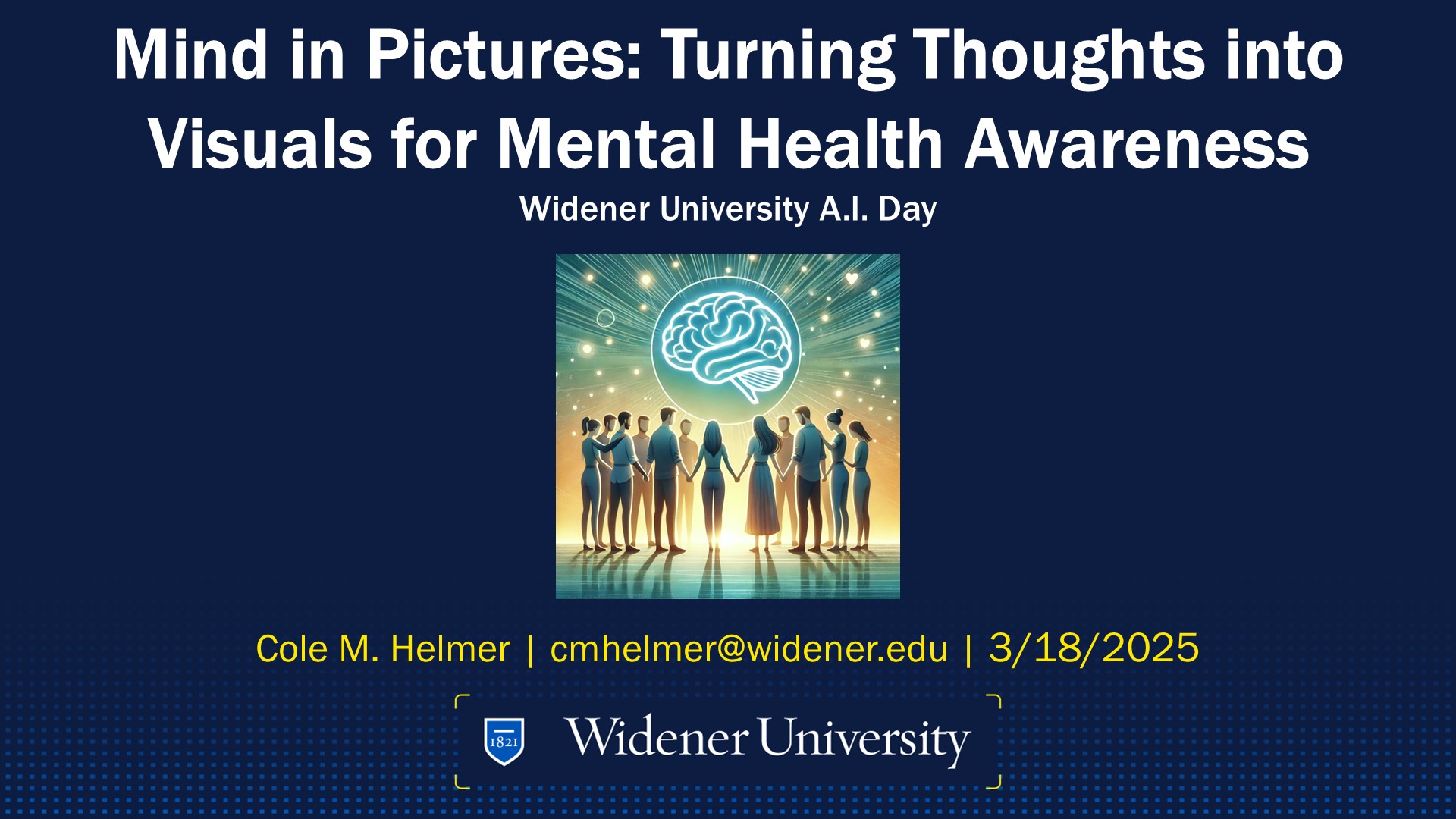
A generative-AI project, awarded second place at Widener University's AI Day, built around a deceptively simple question: can a machine with no emotions, no feelings, and no real sight come to understand the inner experience of mental illness well enough to paint it?

The premise was a thought experiment. Take a system that has never felt anxiety, grief, or fear, force it to study the conditions that quietly shape millions of lives, and then ask it to show what it sees. If you could lift someone's internal experience out of their head and set it on a canvas, what would it look like — and could an AI get there?

Part one — picturing the illness from the inside

For each condition — anxiety, depression, PTSD, ADHD, and schizophrenia — the model first ran deep research until it had a complete, grounded understanding of how the illness actually presents. Only then was it asked to generate an image of how it imagined living with that condition from the inside: not a textbook diagram, but an attempt to render the feeling itself. To me, that was the only real way to test whether these models could truly understand and visualize something so human.

Part two — building empathy in children

The second half turned the research toward education. Some of what drives mental illness is too heavy or too adult to put in front of a child directly — you don't pull a first-grader aside to detail the trauma behind a veteran's flashbacks. But you can say that someone went through something hard, and show an age-appropriate image that helps a child feel the empathetic side: that some people carry invisible struggles. From the other direction, a child who sees themselves in an ADHD image can finally ask for help instead of silently wondering, "what's wrong with me?"

2nd
AI Day placement
5
Conditions explored
Generative AILLM deep researchImage generationMental-health educationEmpathy & stigma
The deck

Undergraduate Research · Python

AI Poker Strategy Engine

Feb 2025 – May 2025

An end-to-end poker AI in two acts. First the model: I parsed tens of thousands of decisions from Pluribus — the superhuman poker bot — engineered poker-specific features, and trained Random Forest and MLP classifiers to imitate its play, reaching ~81% action-prediction accuracy. Then the product: I wrapped that model in a Flask web app that recommends GTO-style actions in real time.

Act 1 — the model

  • Data engineering: a regex parser converts raw Pluribus hand histories into a structured dataset of tens of thousands of decision points.
  • Feature engineering: Monte Carlo win probability (200 sims/decision), board-texture features (paired / monotone / flush & straight draws), stack-to-pot ratio, position, and street.
  • Modeling: trained Decision Tree, Random Forest, and a 120-epoch MLP to predict fold / check / call / bet / raise; engineered features lifted test accuracy from ~68% to ~81%.

Act 2 — the product

  • A Flask web app with live, street-by-street hand play and AI action advice.
  • Opponent classification (aggressive / tight / passive / balanced) with adaptive strategy, plus a Monte Carlo equity engine.
  • SQLite session and hand tracking with matplotlib/seaborn learning reports, and a desktop GUI front end over the same engine.
~81%
Action-prediction acc.
5
Poker actions classified
PythonFlaskRandom ForestMLP / scikit-learnMonte CarloFeature engineeringSQLite
Independent · Python / ML

MLB Prediction System

2025 – 2026 · Independent project

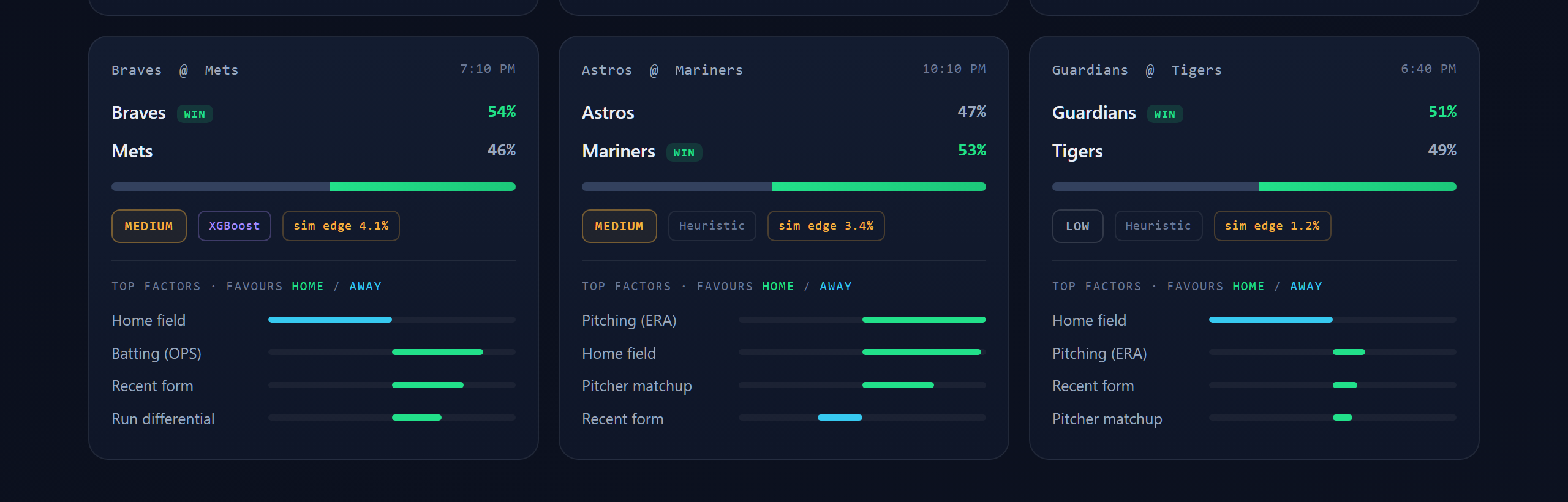
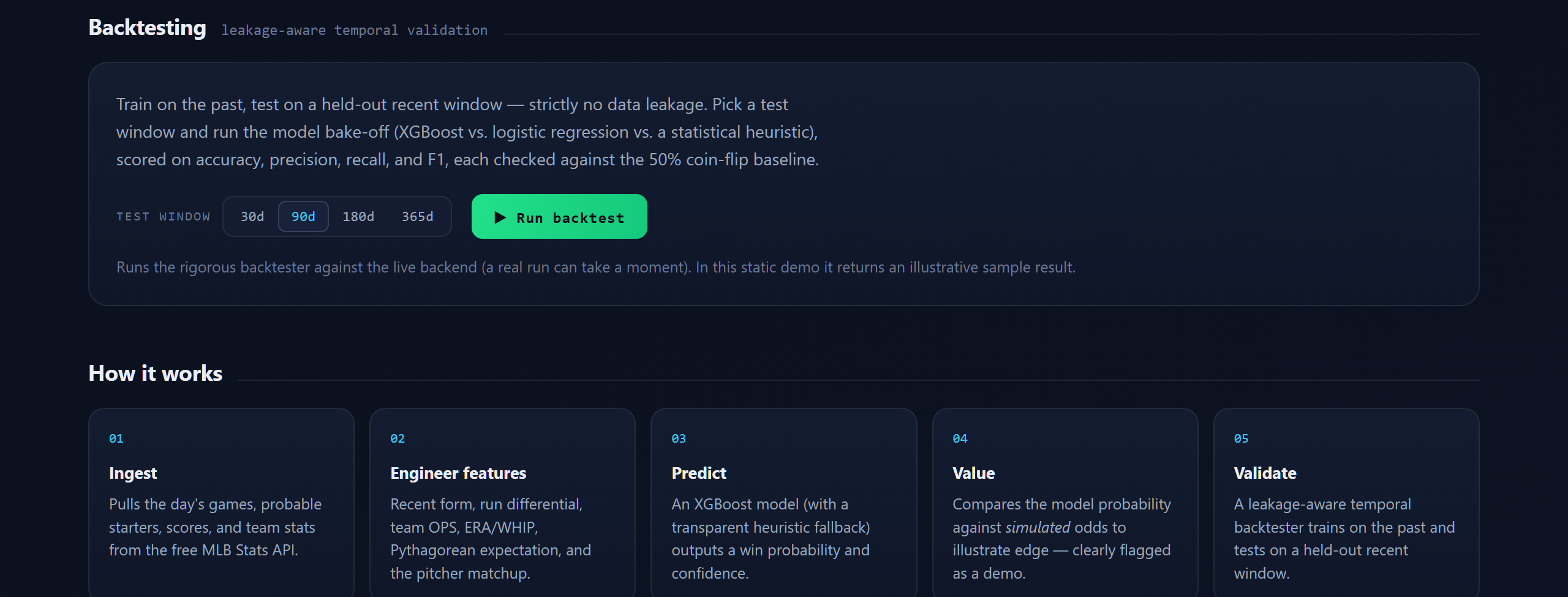
An end-to-end machine-learning framework for forecasting MLB game outcomes and quantifying betting value. It ingests live data from the official MLB Stats API, constructs engineered team- and pitcher-level feature vectors, and trains gradient-boosted trees (XGBoost) alongside a Random-Forest / Gradient-Boosting / logistic-regression ensemble. A leakage-aware temporal backtester — fit strictly on the past and evaluated on a held-out recent window — scores every model on accuracy, precision, recall, and F1, and the whole pipeline is served through a Flask dashboard, a CLI, a desktop GUI, and an automation scheduler over a SQLite tracking store.

A complete, end-to-end ML framework on live MLB data — modeling, leakage-aware backtesting, and a served pipeline. The odds layer is simulated, so it’s an engineering showcase rather than a betting track record.

Pipeline

  • Ingestion: live data from the free MLB Stats API — schedule, probable pitchers, scores, and team/pitcher stats.
  • Features: recent form, run differential, OPS, ERA/WHIP, home-field, Pythagorean expectation, and pitcher matchup.
  • Models: XGBoost (primary) plus Random Forest, Gradient Boosting, and a logistic ensemble, with a transparent statistical fallback.
  • Validation: a leakage-aware backtester that trains on the past and tests on a recent window, reporting accuracy, precision, recall, and F1.
  • Delivery: three front ends (CLI, Flask web dashboard, desktop GUI) plus a scheduler for automated daily runs, backed by a SQLite tracking database.
30
MLB teams
4
Model types
3
Interfaces
PythonXGBoostscikit-learn ensembleFlaskSQLiteMLB Stats APIOptional CUDA

The dashboard

Deep Learning · Python / TensorFlow

CNN Image Classification

Sep 2024 – Dec 2024

Convolutional neural networks for five-class flower classification on a dataset of roughly 4,000 images, built in TensorFlow / Keras. I compared 3- and 4-layer architectures with a full preprocessing and augmentation pipeline, then evaluated both with a separate inference script.

Across 15 training epochs the two models reached roughly 74% and 72% validation accuracy, and on a separate held-out test set the four-layer model classified all 11 images correctly (the three-layer, 10 of 11) at high average confidence.

11/11
Held-out test set
~90%
Avg. test confidence
5
Flower classes
PythonTensorFlow / KerasCNNData augmentationImage classification

Results — per-image test set

ImageActualThree-layer CNNFour-layer CNN
PredictionConf.PredictionConf.
daisy_1DaisyDaisy100%Daisy100%
daisy_2DaisyDaisy100%Daisy99.94%
dandelion_1DandelionDandelion56.53%Dandelion51.19%
dandelion_2DandelionDaisy50.28%Dandelion43.27%
red_sunflowerSunflowerSunflower99.09%Sunflower97.76%
rose_1RoseRose99.62%Rose99.24%
rose_2RoseRose98.08%Rose98.51%
sunflower_1SunflowerSunflower100%Sunflower99.96%
sunflower_2SunflowerSunflower99.98%Sunflower99.02%
tulip_1TulipTulip97.80%Tulip94.47%
tulip_2TulipTulip99.81%Tulip98.45%
Totals10 / 1191.79%11 / 1189.26%

11 held-out images. The three-layer net missed one (dandelion read as daisy); the deeper net went 11/11 with marginally lower average confidence.

Architecture

Input180×180×3Conv → ReLU → Pool8 → 16 → 32 → 64 filtersrepeated 3–4×FlattenDensefully connectedSoftmax5 classes
Two variants were trained — a three-layer and a four-layer CNN — on ~3,700 images at an 80/20 split, then evaluated with a separate inference script.
Coursework · Python / ROS2

Mobile Robotics Series

Graduate coursework · Widener University

A three-part mobile-robotics series implementing the core autonomy stack — planning, mapping, and localization — in Python and ROS2, all implemented and demonstrated in Gazebo/RViz simulation. I've pulled the three together into a single report.

The three projects

  • Path planning & optimal control — A*, Dijkstra, and RRT planners over an obstacle map, plus a two-mass LQR optimal-control example.
  • Estimation & mapping — occupancy-grid mapping from laser scans with log-odds updates, and a graph-SLAM pass that corrects drifting odometry into an accurate trajectory.
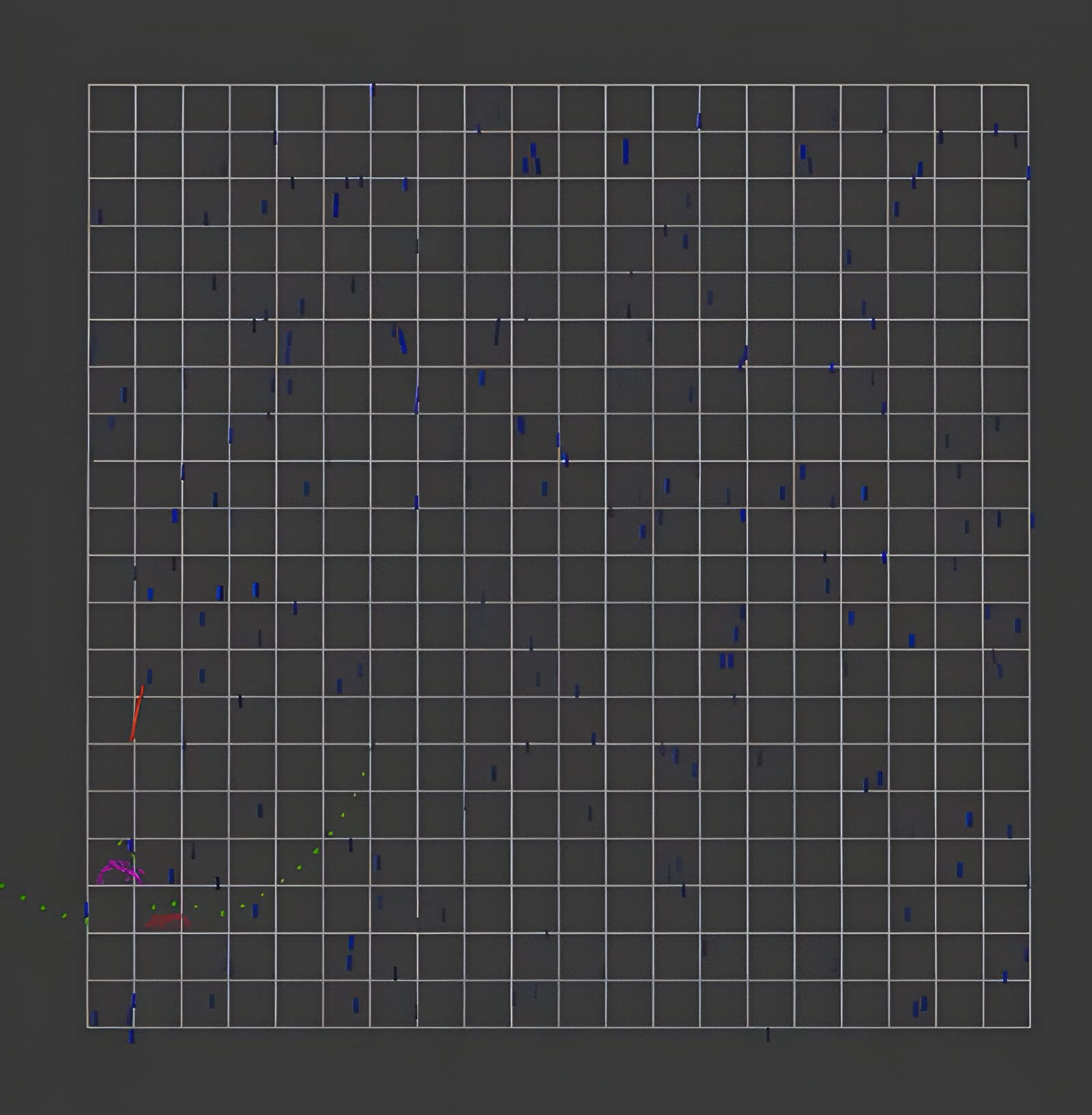
  • Monte Carlo Localization — a 200-particle filter that localizes the robot from laser scans against a known map.
3
Core subsystems
PythonROS2 (rclpy)NumPyGazeboRVizOpenCV

From the simulations

Undergraduate Research · MATLAB / Simulink

Electric Vehicle Drive Simulation

Jan 2025 – May 2025

A MATLAB / Simulink model of an electric-vehicle drivetrain built to analyze power flow during both motoring and regenerative braking, modeling the DC motor, PI controller, motor controller, and battery as a single system.

As a two-person final project (Team Kappa, RE 403), Mason Reilly and I reconstructed and validated a published EV drive-simulation model, simulating energy flow across a range of speed and torque profiles and tuning the PI loop for closed-loop stability and a sound powertrain control strategy.

Model

  • DC motor, PI controller, motor controller, and battery modeled as one drivetrain.
  • Simulated energy flow across speed / torque profiles.
  • Tuned the PI controller for closed-loop stability.
MATLABSimulinkPI controlRegenerative brakingPowertrain modeling

Research Reports

Graduate Research

2 reports

My flagship work: the master's thesis and the senior design project it grew out of, told as one continuous story.

MS ThesisMay 2026

Development of a Hybrid Power Generation System Controlled by an Intelligent Battery Management Unit

Robotics Engineering · Widener University · Committee-approved

My master's thesis: a hybrid gasoline and LiPo power system that keeps drones, robots, EVs, and marine craft running far longer between charges. It closes the energy density gap without giving up the quick response batteries are good at, and I built the whole thing myself, from the battery layout and switching hardware down to the scheduling logic that runs it.

  • Built a proactive scheduling algorithm, Rolling Replenishment, that recovered 118.6% more usable energy than the best reactive approach while triggering 58% fewer battery switches.
  • Validated a 9-battery prototype on the bench, then simulated the full 48-battery pack in Python.
  • Rebuilt the pack from a series-first to a parallel-first topology, with four solid-state relays per battery and full ground isolation.
View PDF →
the senior project this thesis grew out of
Senior DesignApril 2025

Skywalker III — Autonomous Self-Charging Hexacopter Drone

Team Leader · Senior Project Team #17

The senior design project that grew into my thesis: a ten-foot, self-charging autonomous hexacopter built to stay in the air longer. I led the team through its design and build, and the endurance problem we kept running into is exactly what my graduate research set out to solve.

View PDF →

AI & Machine Learning

3 reports
AI Day CompetitionMarch 2025

Visualizing Mental Health with AI

Widener University AI Day

A competition project that uses AI-generated imagery to show what mental health conditions actually feel like from the inside, covering anxiety, depression, PTSD, ADHD, and schizophrenia. The goal was to build empathy and chip away at stigma, pairing real technical work with a genuinely human focus.

Probabilistic MLNovember 2024

Predicting Heart-Disease Risk with a Bayesian Network

A Bayesian-network model in Python that reads a patient's records and estimates their heart disease risk, returning a probability across graded levels of severity.

  • Built on the Cleveland Clinic and Long Beach VA dataset, covering 303 patients across 14 clinical attributes.
  • Returns a posterior probability across severity levels 0 to 4.
View PDF →
Deep LearningDecember 2024

Deep Learning Image Classification with CNNs

An image-classification system I built in Python with convolutional neural networks, trained on a labeled dataset so it can sort new images into the right categories on its own.

View PDF →

Engineering Failure Analysis & Ethics

5 reports

A deliberate focus on safety culture and ethical responsibility, not coursework for its own sake. Five case studies that dig into how technical flaws, organizational pressure, and ethical lapses combine to cause catastrophe, and what each one asks of the engineers involved.

Aerospace
AerospaceDecember 2024

Challenger Space Shuttle Disaster

A close look at what really brought down Challenger in 1986: the failed O-ring seal, a launch decision pushed through under pressure, and the lessons about engineering responsibility that came out of it.

View PDF →
AerospaceDecember 2024

Columbia Space Shuttle Disaster

A study of the 2003 Columbia re-entry disaster, tracing how foam-strike damage doomed the orbiter and how a culture that kept treating risk as normal let a known hazard slide.

View PDF →
Oil & Gas
Oil & GasOctober 2024

Piper Alpha Oil Rig Explosion

A study of the 1988 Piper Alpha explosion, one of the deadliest disasters in oil and gas, and the permit-to-work and safety-system breakdowns that caused it.

View PDF →
Nuclear
NuclearNovember 2024

Fukushima Daiichi Nuclear Disaster
A study of the 2011 Fukushima Daiichi disaster, looking at how the Tōhoku earthquake and tsunami overwhelmed the plant and how earlier siting and design choices made the outcome worse.
View PDF →
Marine / Deep-Sea
MarineNovember 2024

OceanGate Titan Submersible Implosion

A study of the 2023 OceanGate Titan implosion, examining the experimental carbon fiber hull, the independent certification that got skipped, and the ethical failures behind commercial deep-sea tourism.

View PDF →

Contact & Links

Open to roles across embedded, controls, robotics, software, and quant in the tri-state area or remote.